


ccupational Therapy for Children: A Lifeline for Developmental Growth
Childhood is a time of rapid learning, exploration, and growth. But for many children, everyday tasks like tying shoelaces, concentrating in class, or coping with noisy environments can be overwhelming. Occupational therapy provides tailored support for these challenges, helping children thrive in their home, school, and social environments.
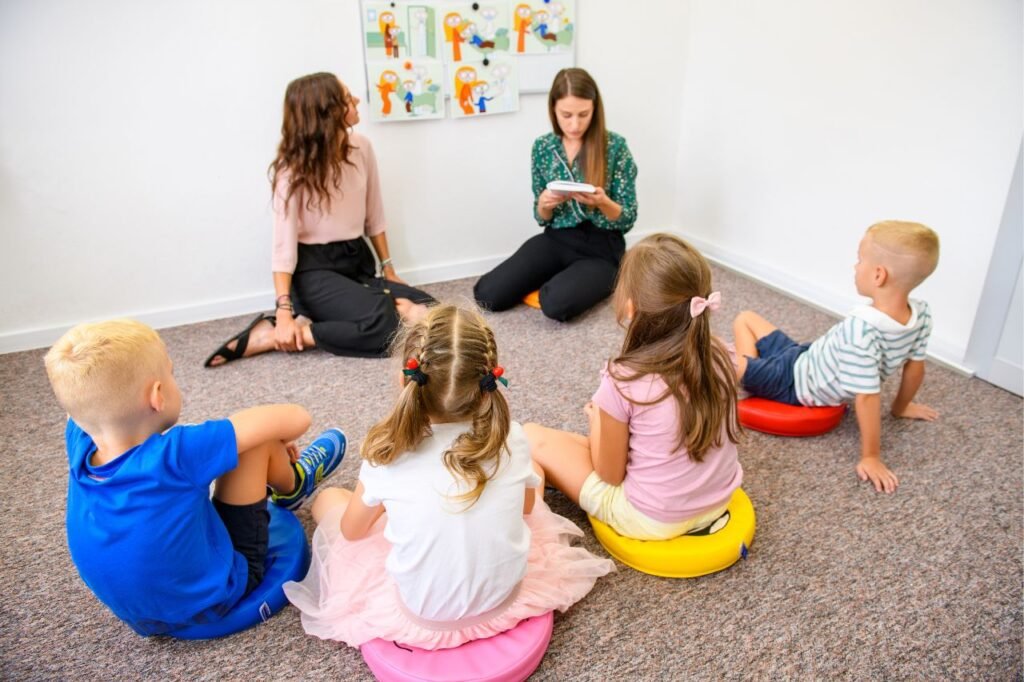
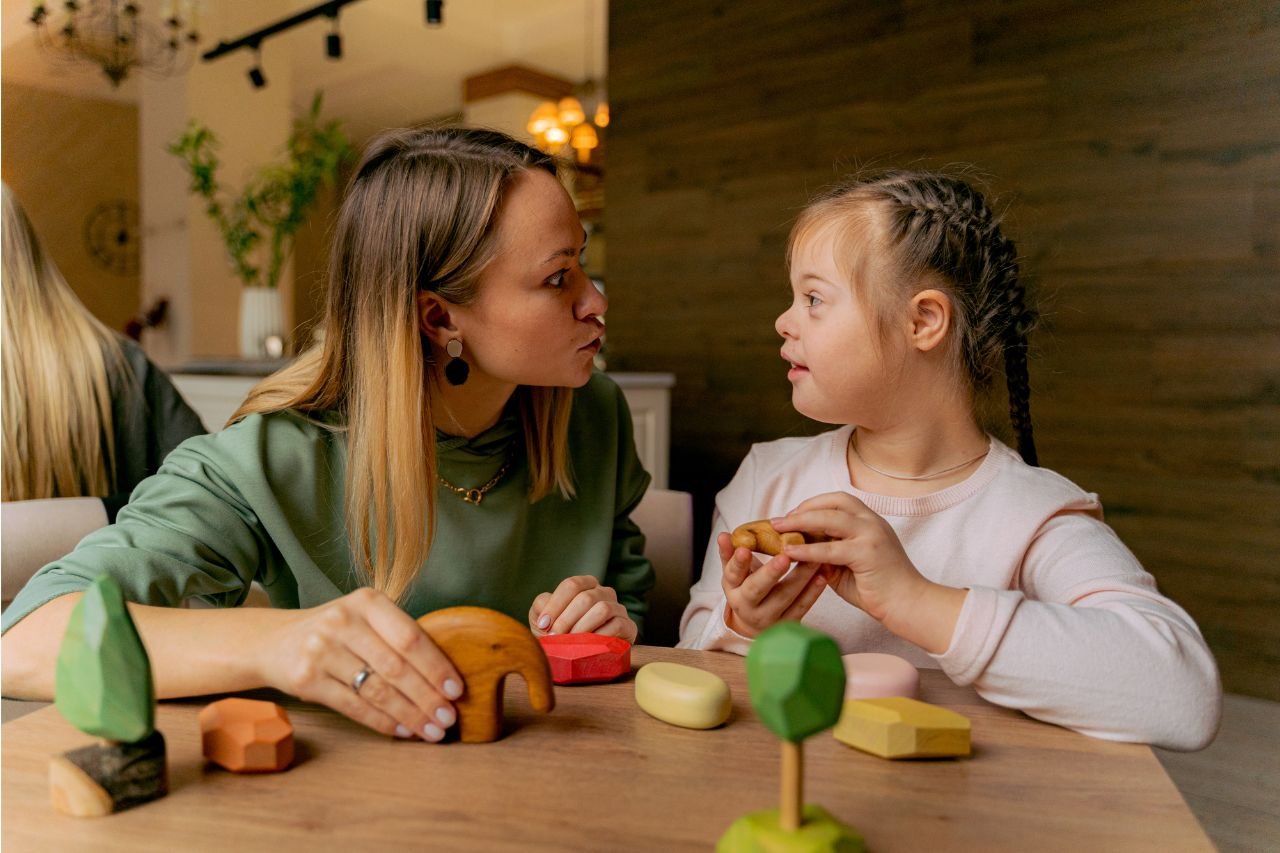
At Mental Health OT Australia, occupational therapy for children focuses on empowering kids to develop practical skills and confidence across all aspects of life. Led by experienced clinicians like Bita Farhani, the team works closely with families, teachers, and support networks to deliver care that is holistic, evidence-based, and centred around the child’s unique needs.
Whether a child has a diagnosed condition or simply needs extra help with everyday activities, occupational therapy offers compassionate guidance toward greater independence.
Key Areas Occupational Therapy Supports in Children
1. Fine Motor Skills: Activities such as writing, buttoning clothes, or using scissors require precise hand movements. Children who struggle with these skills benefit from exercises that strengthen hand muscles, improve coordination, and refine movement control.
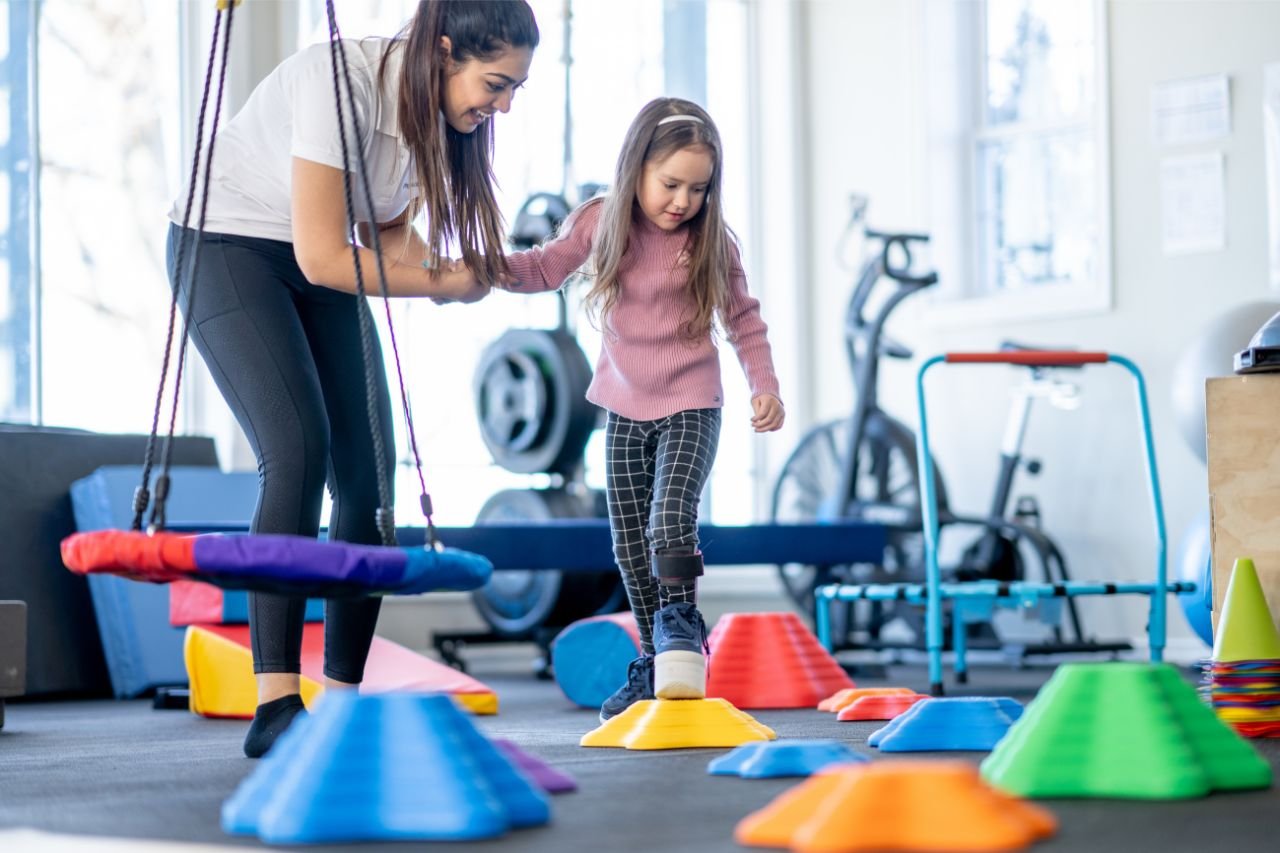
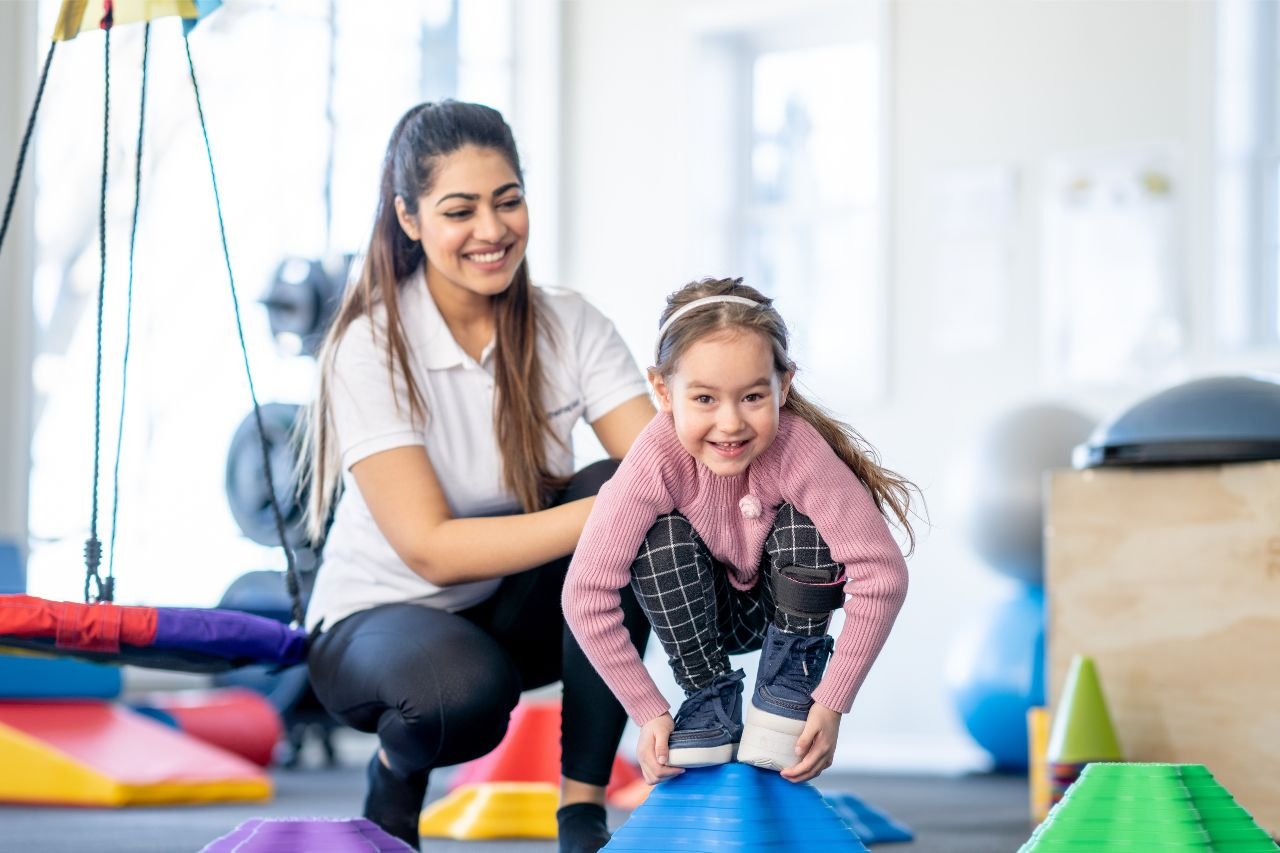
2. Gross Motor Skills: OT helps children improve balance, posture, and body coordination, which are crucial for physical play, sports, and classroom participation. Therapists use games, obstacle courses, and physical exercises to build strength and confidence.
3. Sensory Processing: Many children experience difficulty processing sensory input, leading to under- or over-responsiveness to sound, touch, or movement. Occupational therapists help regulate sensory responses so children can focus, remain calm, and engage with their environment effectively.
4. Self-Care and Independence: Daily living skills such as toileting, grooming, feeding, and dressing are key developmental milestones. Occupational therapy provides strategies and tools to help children complete these tasks independently.
5. Emotional Regulation and Behaviour: Some children find it challenging to manage big emotions or respond appropriately to stress. OT uses strategies like sensory calming tools, visual schedules, and mindfulness techniques to support emotional resilience.
6. Attention and Executive Functioning: For children with attention difficulties or conditions like ADHD, occupational therapists work on planning, organisation, and task completion skills. These strategies are valuable both at school and at home.
Individualised Goals, Lasting Results
No two children are the same—and neither is their therapy. Occupational therapists design individualised plans that consider a child’s goals, preferences, and challenges. These plans often include at-home routines, strategies for school settings, and recommendations for assistive tools when needed. Over time, families see improved confidence, stronger routines, and better participation in daily activities.
The therapeutic relationship is just as important as the interventions themselves. Children benefit from the warm, supportive rapport therapists build during sessions, helping them feel safe to try, fail, and try again.
Collaborative and Family-Centred Approach
Paediatric occupational therapy is most effective when families are engaged in the process. At Mental Health OT Australia, parents and caregivers are viewed as essential partners. Therapists provide ongoing education, practical guidance, and emotional support so families feel empowered and involved in their child’s progress.
Therapists may also collaborate with educators, speech pathologists, psychologists, and other professionals to create a unified plan that supports the child across all areas of life.
OT for Children Across Various Conditions
Children living with neurodevelopmental or physical conditions often face overlapping challenges that OT can address. Occupational therapy is particularly beneficial for:
Autism Spectrum Disorder
ADHD
Sensory Processing Disorder
Developmental Delay
Dyspraxia (motor planning difficulties)
Learning difficulties
Anxiety and mood-related challenges
Behavioural concerns
You can explore how occupational therapy supports children with autism or ADHD through evidence-based strategies and structured support.
Accessing Services
At Mental Health OT Australia, sessions are available in various formats, including in-clinic, home visits, and school-based sessions depending on location. Services are available privately or through funding programs such as NDIS or Medicare where applicable.
For more details or to book an initial consultation, you can reach out via:
📞 0406107775
📧 Info@mentalhealthotaustralia.com
Contact Page
FAQs
Q1: At what age can my child start occupational therapy?
Children can begin OT as early as infancy, particularly if there are signs of developmental delays. Most children typically start therapy around the age of two or three when delays in motor, social, or daily living skills become noticeable.
Q2: How do I know if my child needs occupational therapy?
If your child struggles with self-care tasks, fine motor skills, concentration, sensory responses, or emotional regulation, an occupational therapy assessment can help determine if OT would be beneficial.
Q3: Can OT support children with both physical and emotional needs?
Yes. OT addresses the full spectrum of a child’s functional needs—physical, sensory, emotional, and behavioural. For example, a child with anxiety and handwriting difficulties will receive integrated support that meets both challenges.
Q4: Is occupational therapy only for children with a diagnosis?
Not at all. While children with formal diagnoses often benefit from OT, many children without a diagnosis also receive support for things like clumsiness, difficulty concentrating, or emotional challenges.
For tailored care that nurtures your child’s development and wellbeing, explore occupational therapy for children with Mental Health OT Australia—supporting families with evidence-based, compassionate interventions that truly make a difference.