Empowering minds, enhancing lives
Personalised Occupational Therapy and Brain Training for All Ages, In Person & Telehealth Across Australia
Practical, person-centred occupational therapy for children, teens, adults and older adults, with NeurOptimal® neurofeedback alongside when it suits. We look at real days at home, school, work and in the community, and build supports around the person and the people who care for them.
- NDIS self-managed and plan-managed
- Wembley base, home and community visits in Perth
- Telehealth across Australia
Meet your occupational therapist
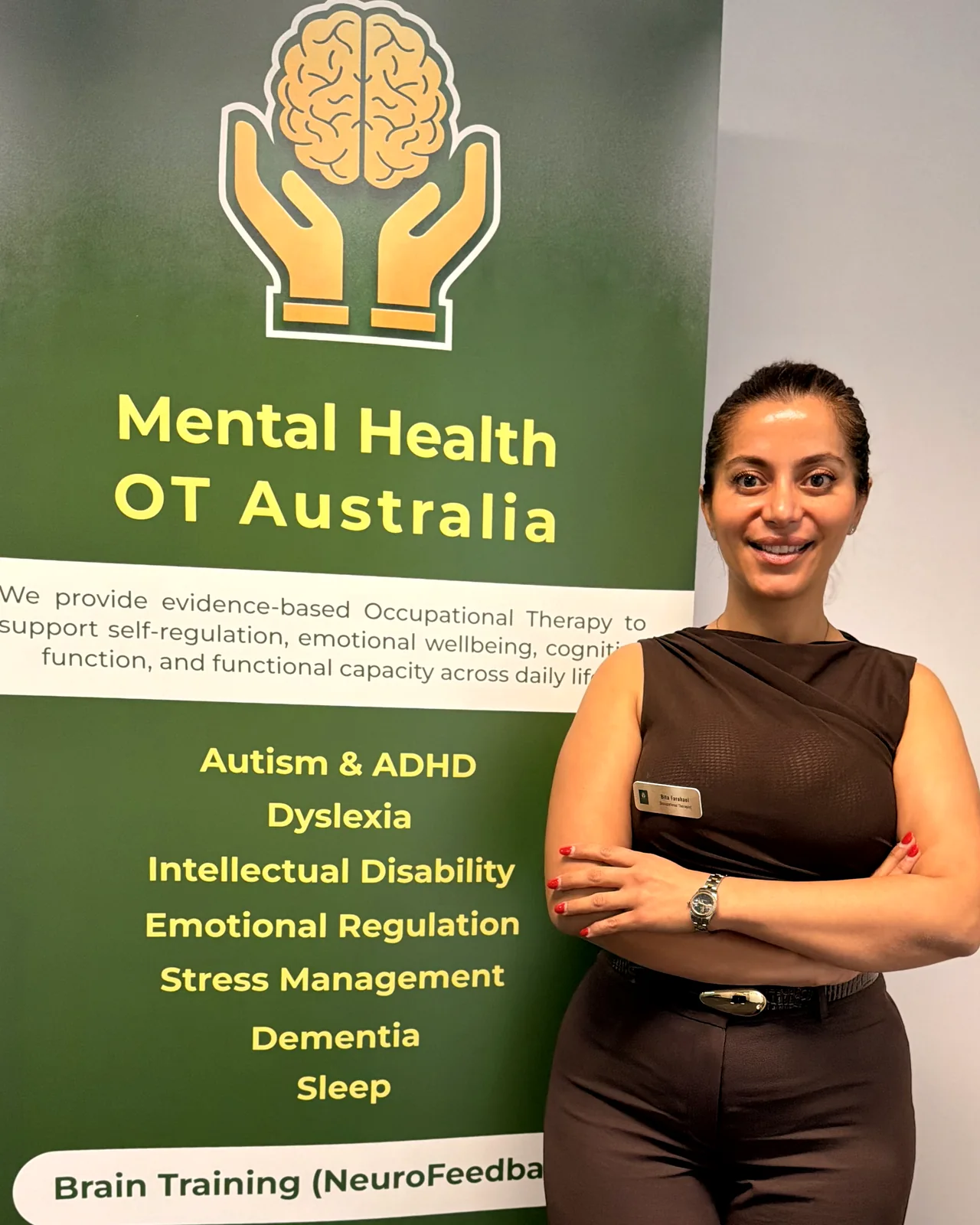
Welcome, I’m Bita Farahani
Founder and Senior Occupational Therapist · 21 years’ experience
I support children, adults and older adults to build confidence, develop practical skills and take part more fully in everyday life.
Whether you are navigating autism, ADHD, mental health challenges or learning differences, or you would simply like to work on focus and daily routines, I offer tailored, evidence-informed occupational therapy that starts with your goals.
I see people in person in Perth and by telehealth Australia-wide, so you can access therapy wherever you are.
How we can help
Our services
Choose the area that fits. Each page explains who it is for, what sessions involve and how to get started.
NDIS occupational therapy
Capacity-building support, assessments and reports for self-managed and plan-managed NDIS participants, with goals that come from you.
Learn moreChildren and teens
Play-based therapy for sensory processing, motor skills, emotional regulation, self-care and school participation, with families involved.
Learn moreAdults
Support with daily living, routines, work, study and life changes, for adults living with disability, mental health conditions or chronic conditions.
Learn moreMental health OT
Occupational therapy for people living with anxiety, low mood, trauma or stress, focused on routines, roles and everyday function.
Learn moreOlder adults and aged care
Home safety, falls prevention, equipment and meaningful activity, at home or in residential care.
Learn moreCommunity and workplace
Practising skills where they are used: shops, transport, groups, volunteering and supported workplaces.
Learn moreAssessments and reports
Assistive technology, home modification, DSP and workers’ compensation assessments, written for the people who need them.
Learn moreTelehealth across Australia
Video sessions for children, adults and families in every state and territory, on a platform that suits you.
Learn moreBrain Training Hub
Cognitive and self-regulation programs that bring occupational therapy and NeurOptimal® neurofeedback together, for children, adults and older adults.
Learn moreNDIS assessments
Functional Capacity Assessment (FCA)
An FCA looks at how a person manages everyday tasks such as self-care, moving around, communication, learning, social activity and work, and what support may help. The report is written to be clear for the person, their family and the NDIS.
Every FCA is completed by Bita Farahani, Founder and Senior Occupational Therapist. Assessments are available in Perth and by telehealth Australia-wide.
Related: NDIS assessments · Assistive technology · Home modification
Conditions and needs
Support shaped around the person
Diagnosis is made by a paediatrician, psychiatrist, psychologist or GP. Our role is practical: understanding how things feel day to day and building supports for home, school, work and the community.
Autism
Neurodiversity-affirming support for people with autism and their families.
ADHD
Routines and strategies for school, work, home and big feelings.
PDA
A low-demand, trust-first approach for children and teens with a PDA profile.
Intellectual disability
Daily living, communication and participation at home and in the community.
Down syndrome
Practical skills for each life stage, from early childhood to adulthood.
Adults with ADHD and RSD
Understanding rejection sensitivity and building steadier days.
Executive functioning
Planning, time and follow-through for adults, tried in real routines.
Anxiety in children
Calm routines, sensory supports and confidence for anxious children.
Depression and low mood
Rebuilding routine, energy and meaningful activity, one step at a time.
Brain training
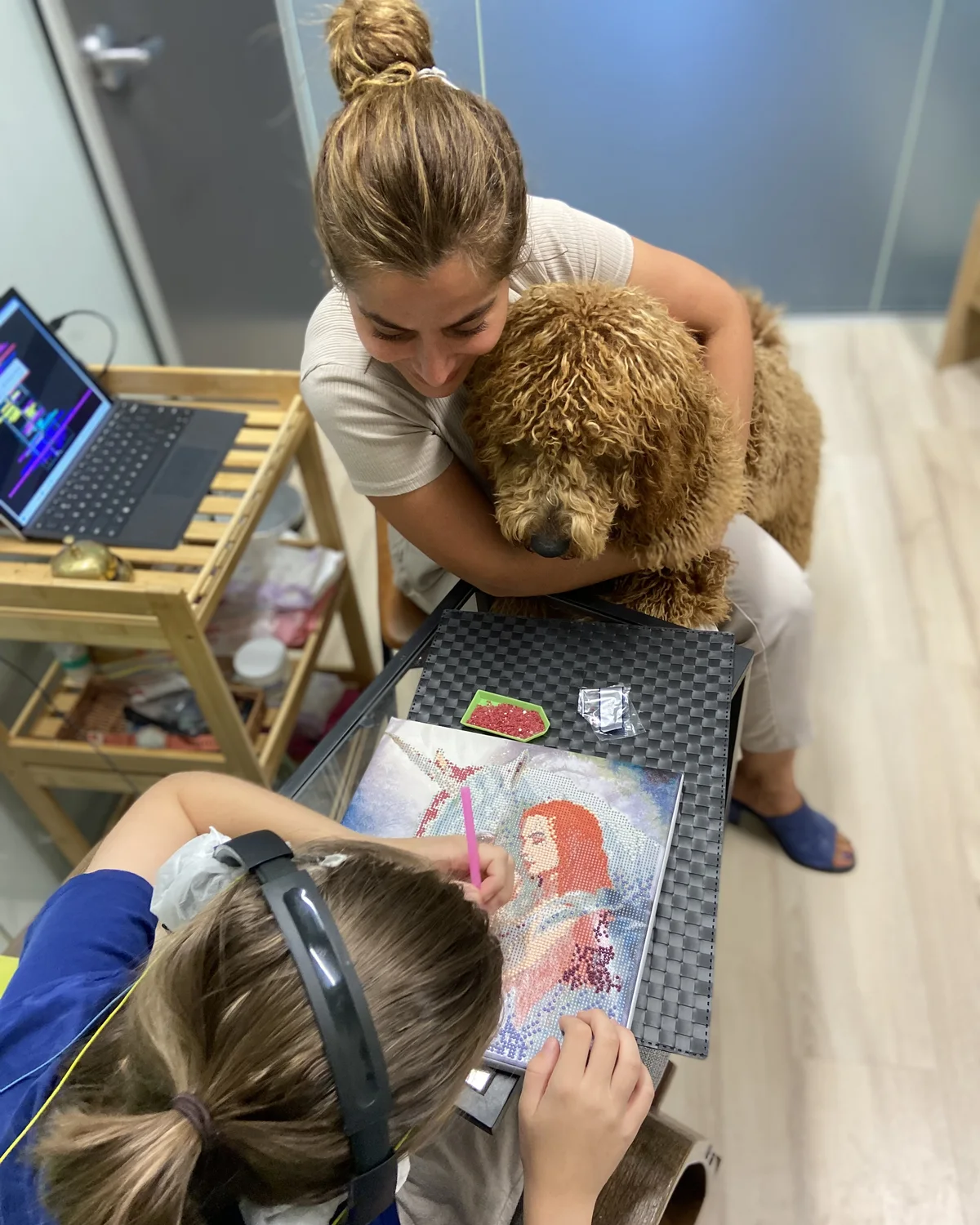
NeurOptimal® neurofeedback, in clinic or at home
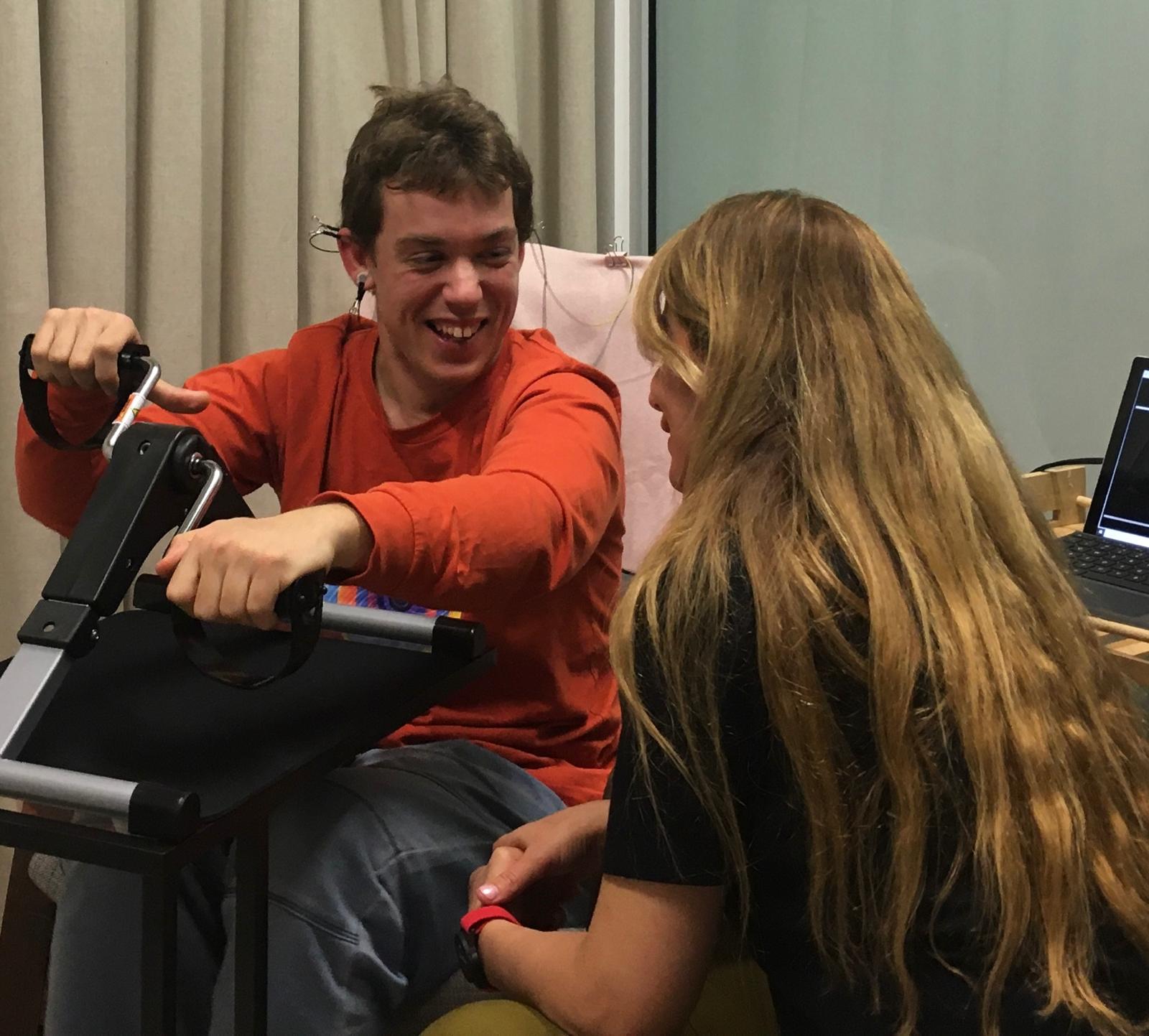
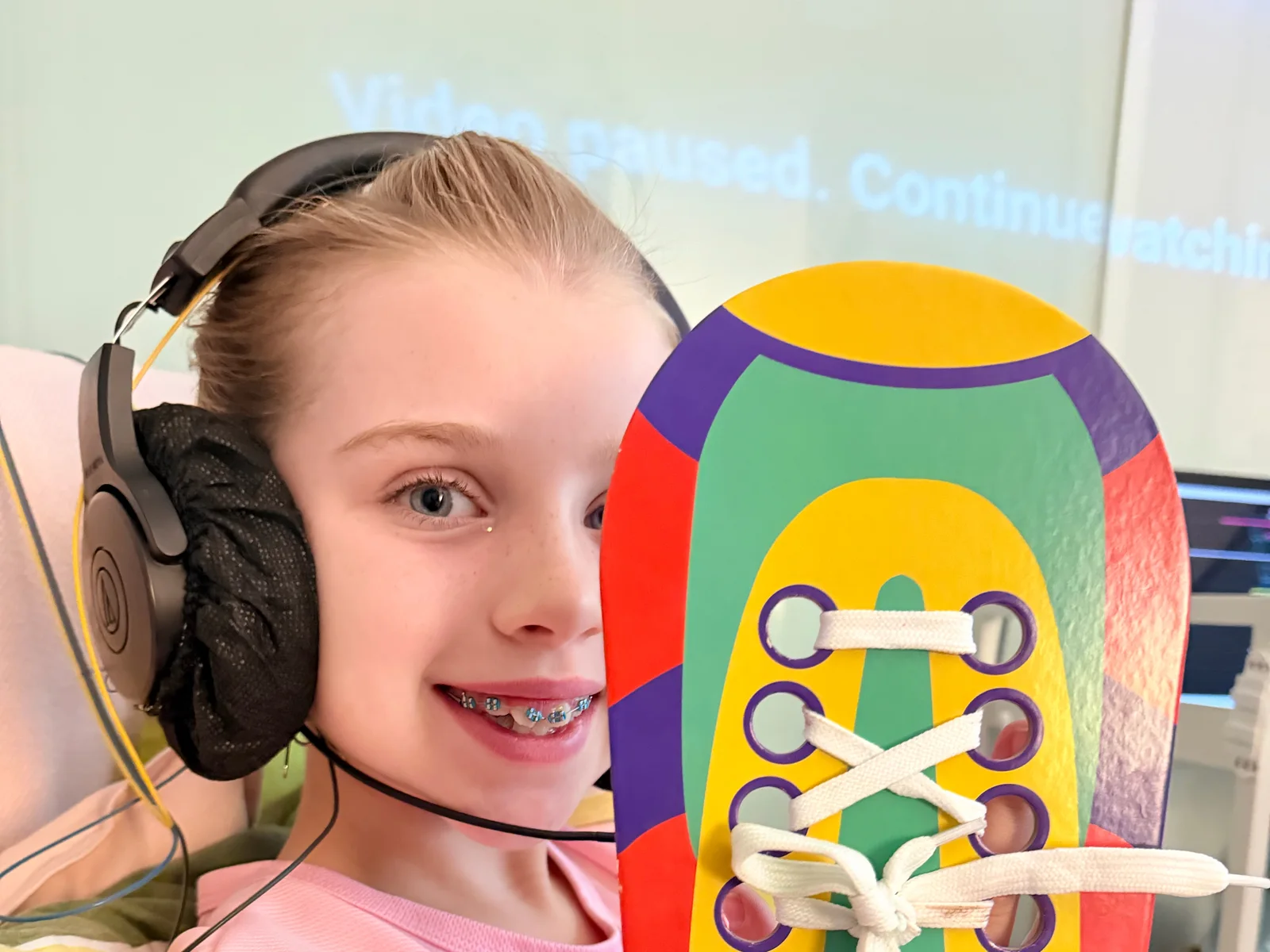
During a session you sit back, listen to music and relax while small sensors read the brain’s activity. You do not need a diagnosis or a brain scan first. Sessions can sit alongside occupational therapy, and experiences vary from person to person. NeurOptimal® does not diagnose, treat, prevent or cure any condition.
Home rental, Australia-wide. A rental kit comes with a laptop, sensors, written set-up steps and practitioner support during your rental, so individuals and families can train at home.
Related: Neurofeedback in OT · Rental online · Rental in Perth · Brain Training Hub
Getting started
How it works
- Book a 15-Minute Free Discovery CallA short phone call to talk about what is happening and whether we are a good fit.
- Assessment and goalsWe get to know the person, their routines and what matters to them, and agree on goals together.
- Sessions in real lifeAt our base, at home, school, work, in the community or by telehealth, with ideas to try between sessions.
- Review togetherWe check in regularly, change what is not working, and share updates with the people you choose.
Funding options
Ways to access our services
NDIS comes first for many of the people we support. Please check your own plan or cover before booking; funding decisions are made by the funder.
Where we work
Perth base, home and community visits, and telehealth
Our base is at 10B, Level 1, Foyer B, 151 Herdsman Parade, Wembley WA 6014. We also visit homes, schools, workplaces and community settings around Perth, and offer telehealth in every state and territory.
From the blog
Guides for families and adults
Questions
Frequently asked questions
Do I need a referral or a diagnosis?
No. You can book a 15-Minute Free Discovery Call yourself. Families, GPs, paediatricians, support coordinators and other professionals can also make a referral. Some funding pathways have their own referral rules, and we can talk these through with you.
What happens in the 15-Minute Free Discovery Call?
It is a short phone call with no obligation to book. We listen to what is happening, answer your questions, and talk about whether occupational therapy, neurofeedback or both may suit you.
Who do you work with?
Children, teens, adults and older adults, and the families and carers around them. This includes people with autism, ADHD, PDA, intellectual disability, Down syndrome, learning differences, mental health conditions and changes that come with ageing.
Where do sessions happen?
In person at our Wembley base, at home, school, work or in the community around Perth, and by telehealth anywhere in Australia.
How is occupational therapy funded?
We work with NDIS participants who are self-managed or plan-managed, as well as DVA, Home Care Package, workers’ compensation, private health insurance and private clients. Please check your own plan or cover before booking; funding decisions are made by the funder. See Fees.
Who completes Functional Capacity Assessments?
Every Functional Capacity Assessment is completed by Bita Farahani, our Founder and Senior Occupational Therapist. Read more about FCAs.
What is NeurOptimal® neurofeedback?
Neurofeedback is a type of biofeedback. Small sensors on the scalp and ears read the brain’s electrical activity while you listen to music, and the system gives the brain moment-to-moment feedback through brief pauses in the sound. NeurOptimal® is a wellbeing brain-training system: it does not diagnose, treat, prevent or cure any condition.
What changes might I notice with neurofeedback?
Experiences vary from person to person, and some people notice little change. We cannot predict how any one person will respond. We see neurofeedback as one support that can sit alongside occupational therapy and the other supports you already use, such as counselling, psychology or medication from your doctor.
Why combine neurofeedback with occupational therapy?
Neurofeedback sessions are quiet and passive, while occupational therapy is active and practical. Used together, a plan may include sessions in the chair plus strategies, routines and skills practised in daily life. In OT sessions we may also use CBT-informed strategies, chosen with you.
Do I need a brain scan before neurofeedback?
No. A formal diagnosis or a QEEG brain scan is not needed before NeurOptimal® training with us, because it is a wellbeing training system rather than a treatment. Some other neurofeedback systems do use a scan first, so it is a fair question to ask any provider.
More answers on our FAQs page.
Take the first step
Not sure where to start?
Book a 15-Minute Free Discovery Call: a short phone call with no obligation. We will listen, answer your questions and talk about the next step that may suit you.
Professionals and support coordinators: make a referral.