
Occupational therapy treatment for autism is a tailored approach to support individuals in developing essential life skills. For children and adults with autism, daily tasks—such as dressing, communicating, or managing routines—can be challenging. Occupational therapists assess strengths and difficulties to create individualised strategies that promote independence, confidence, and quality of life across different environments.



Occupational therapy for autism focuses on more than physical tasks—it nurtures social, emotional, and cognitive development. Whether the goal is to build fine motor skills or improve social engagement, therapy is delivered through meaningful, structured activities. These sessions are adapted to the individual’s sensory profile, communication style, and developmental stage to ensure practical outcomes.
Many individuals with autism experience sensory processing difficulties, which can influence behaviour, focus, and learning. Occupational therapists are trained to evaluate sensory needs and apply interventions like sensory diets or environmental modifications. This helps children manage overstimulation, anxiety, and meltdowns more effectively—contributing to calmer transitions, better attention, and improved participation in school or social settings.
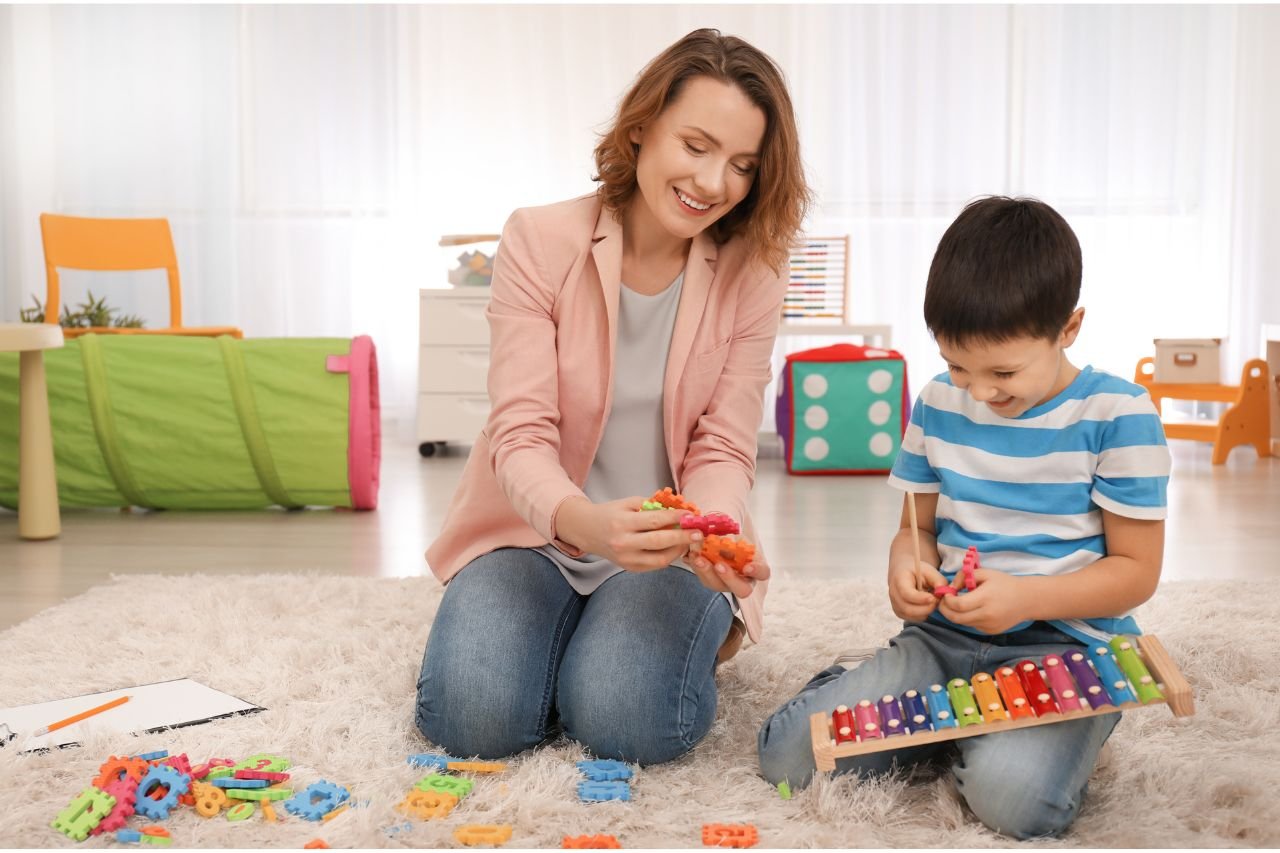


Occupational therapy addresses a broad range of developmental needs: fine and gross motor skills, executive functioning, emotional regulation, and self-care routines. Therapy is often play-based for children and goal-oriented for teens and adults. It encourages practice and mastery of everyday tasks—from tying shoelaces to navigating public transport—building autonomy in a supportive, structured way.
Early intervention through occupational therapy significantly enhances developmental outcomes for children on the autism spectrum. The earlier therapy begins, the greater the opportunity to shape brain pathways and support meaningful skill acquisition during critical stages of growth. Therapy doesn’t follow a one-size-fits-all model; instead, it evolves with the individual’s changing needs—from early childhood to adolescence and adulthood.
Occupational therapy treatment for autism supports communication, motor coordination, sensory integration, play skills, and emotional development. At Mental Health OT Australia, therapy is tailored to each person’s goals, whether that’s learning to manage sensory triggers, improving fine motor skills, or developing social strategies for group settings.
Working with an experienced therapist like Bita Farhani ensures a compassionate, expert-led approach that brings both evidence-based techniques and human insight into every session. Bita and the team take the time to understand each individual’s unique profile—strengths, preferences, and areas of difficulty—to build a therapy plan that truly fits.
Occupational therapy often begins with a comprehensive occupational therapy assessment to understand how the person processes information, interacts with their environment, and manages tasks. Based on the findings, the therapist may introduce tools such as visual schedules, fidget devices, or social stories to support transitions and routines.
Common focus areas in therapy may include:
Self-care skills: dressing, brushing teeth, toileting
Motor development: handwriting, balance, coordination
Emotional regulation: identifying feelings, managing frustration
Play and social participation: sharing, turn-taking, conversation skills
Sensory processing: calming strategies, tactile tolerance
Therapists often collaborate with educators, speech pathologists, and psychologists to offer a holistic, team-based approach—especially in school and NDIS-funded environments.
Occupational therapists use a combination of play-based therapy, cognitive behavioural strategies, and sensory integration methods. Techniques like “heavy work” activities, weighted blankets, obstacle courses, or structured play help children explore and strengthen their motor, emotional, and sensory regulation systems.
For older clients, therapy may include life skills coaching, assistive technology training, or preparing for independent living and employment. These approaches are always age-appropriate and respect the individual’s interests and goals.
Therapy sessions can take place in clinics, schools, homes, or community settings. If you’re searching for a paediatric occupational therapy service near you or would like an individualised plan for an adult, qualified therapists at Mental Health OT Australia are ready to assist.
Autism is lifelong, but with the right supports, individuals can continue growing, adapting, and learning. Long-term occupational therapy helps build consistent habits, teaches emotional resilience, and supports transitions—such as starting school, changing routines, or preparing for adulthood.
For families, this therapy can reduce stress, build communication strategies, and enhance daily life at home. Whether you’re inquiring for a child, teen, or adult, occupational therapy provides valuable, lasting outcomes.
Occupational therapy is also vital when combined with other therapies. For example, some families exploring neurofeedback therapy or speech therapy also integrate OT for a balanced, comprehensive intervention plan.
If you’re unsure where to begin or would like to discuss support options for autism, reach out to the team at Mental Health OT Australia. 📞 0406107775 | 📧 info@mentalhealthotaustralia.com | Contact Us
1. What age should a child start occupational therapy for autism?
Occupational therapy can begin as early as 18 months if developmental delays or sensory challenges are observed. Early intervention can help build foundational skills that support communication, behaviour, and social interaction.
2. Is occupational therapy only for children with autism?
No, occupational therapy benefits people of all ages with autism. Adults can receive support in areas such as independent living, job readiness, sensory management, or executive functioning.
3. How long does it take to see results from occupational therapy?
Progress depends on the individual’s needs, goals, and consistency of therapy. Some improvements may be seen within weeks, while others evolve over months or years with ongoing support and practice.