
Children with auditory processing disorder (APD) often struggle to interpret sounds accurately, especially in noisy environments. These challenges can manifest as difficulty following instructions, frequent requests for repetition, or misunderstandings during conversations. Early identification is crucial to provide timely support and interventions that can significantly improve a child’s communication and learning abilities.

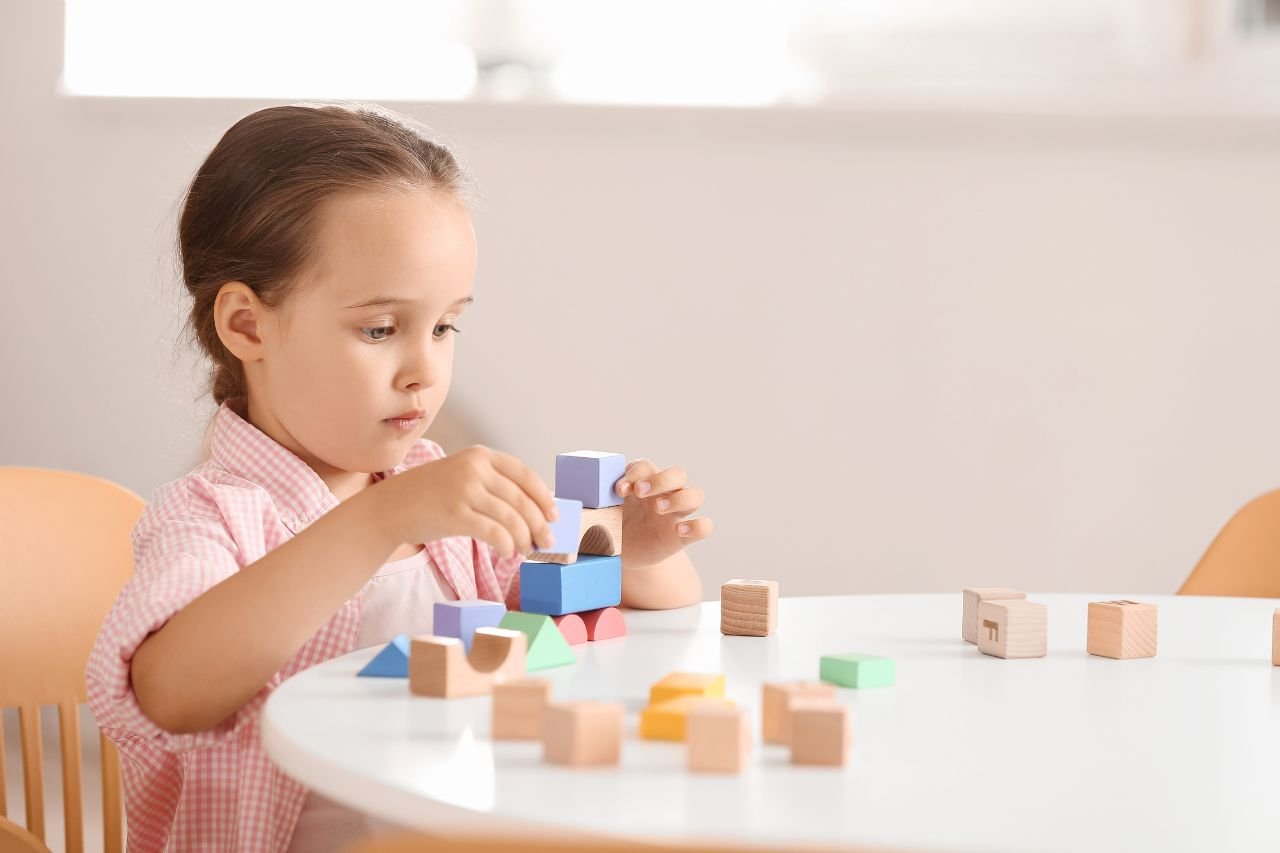
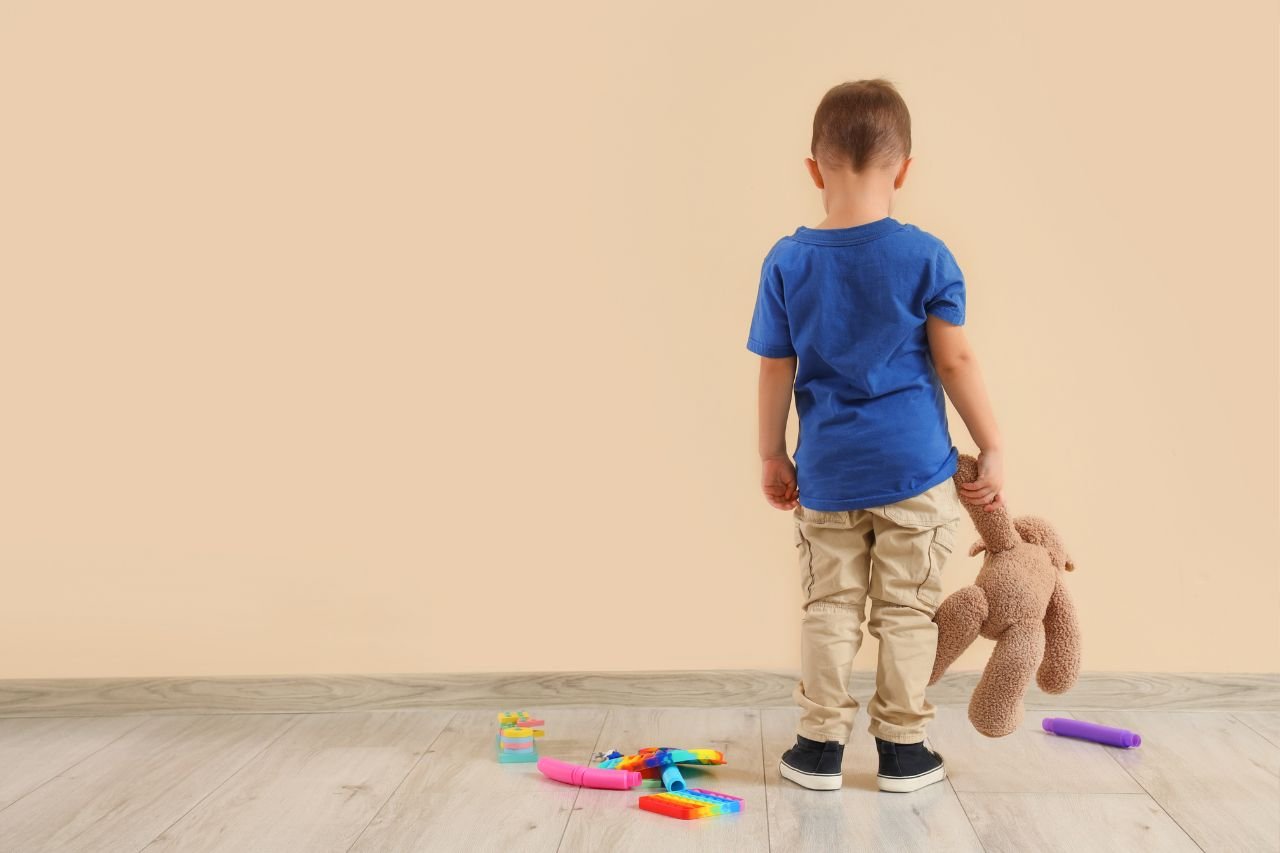
Early diagnosis and intervention for APD can lead to better outcomes in a child’s academic performance and social interactions. By addressing the disorder promptly, children can develop effective coping strategies and improve their auditory processing skills, reducing the long-term impact on their education and self-esteem.
Children with APD may exhibit a range of symptoms that can vary in severity. Common indicators include difficulty understanding speech in noisy environments, problems following multi-step instructions, frequent misinterpretation of spoken words, and challenges with reading and spelling. These symptoms can often be mistaken for attention deficits or learning disabilities, making accurate diagnosis essential.



Diagnosing APD involves a series of specialized tests conducted by audiologists and speech-language pathologists. These assessments evaluate various auditory processing skills, such as sound discrimination, auditory memory, and the ability to understand speech in background noise. Tests like the SCAN-3:C and the Auditory Processing Abilities Test (APAT) are commonly used to identify specific areas of difficulty and to develop targeted intervention plans.
Treatment for APD is tailored to each child’s unique needs and may include auditory training exercises, speech-language therapy, and environmental modifications to reduce background noise. Occupational therapy can also play a significant role in addressing sensory processing issues associated with APD. At Mental Health OT Australia, our team of experienced therapists, including Bita Farhani, provides comprehensive support to help children with APD enhance their communication skills and overall functioning.
Auditory Processing Disorder (APD) in children is a complex condition that affects the brain’s ability to process auditory information. While the ears may function normally, the brain struggles to interpret sounds, leading to difficulties in understanding speech, especially in noisy environments. This can impact a child’s academic performance, social interactions, and self-confidence.
APD is not a hearing loss but a neurological disorder that affects how the brain processes spoken language. Children with APD may find it challenging to follow verbal instructions, distinguish between similar sounds, or concentrate in environments with background noise. These difficulties can lead to frustration, behavioral issues, and academic struggles if not addressed promptly.Wikipedia+6Latest news & breaking headlines+6SOUNDSORY+6
Occupational therapy plays a crucial role in managing APD by helping children develop coping strategies and improve their auditory processing skills. Therapists work with children to enhance their attention, memory, and language comprehension through targeted exercises and interventions. At Mental Health OT Australia, we offer specialized paediatric occupational therapy services designed to support children with APD in achieving their full potential.
Effective management of APD requires a collaborative approach involving audiologists, speech-language pathologists, occupational therapists, educators, and families. By working together, these professionals can develop comprehensive intervention plans that address the specific needs of each child. This multidisciplinary strategy ensures that children receive consistent support across different settings, enhancing the effectiveness of the treatment.SOUNDSORY
Creating an environment conducive to learning is essential for children with APD. Simple modifications, such as reducing background noise, using visual aids, and providing written instructions, can significantly improve a child’s ability to process auditory information. Educators and parents play a vital role in implementing these changes to support the child’s learning and communication.
Families seeking support for children with APD can benefit from the services offered by Mental Health OT Australia. Our team provides comprehensive assessments and individualized therapy plans tailored to each child’s needs. To learn more or schedule an appointment, please contact us at 📞 0406107775 or 📧 Info@mentalhealthotaustralia.com.
Q: What age can a child be diagnosed with APD?
A: While APD can be challenging to diagnose in very young children, assessments are typically conducted for children aged 7 and above when auditory processing skills are more developed.
Q: Is APD the same as a hearing impairment?
A: No, APD is not a hearing impairment. Children with APD usually have normal hearing abilities but struggle with processing auditory information in the brain.Latest news & breaking headlines+1New York Post+1
Q: Can children outgrow APD?
A: Some children may experience improvements in auditory processing skills as they grow older, especially with appropriate interventions. However, ongoing support may be necessary to manage the condition effectively.Cleveland Clinic
Q: How can I support my child with APD at home?
A: Parents can support their child by creating a quiet environment, using clear and concise language, providing visual cues, and working closely with therapists to reinforce strategies learned during therapy sessions.
For more information or to schedule an assessment, please visit our contact page.