
The Department of Veterans’ Affairs (DVA) funds Occupational Therapy services for eligible veterans, war widows, and widowers to promote independence and quality of life. Services may include support for daily tasks, mental health, mobility, and home safety. Veterans with a Gold Card are eligible for OT services for all clinically necessary conditions, while White Card holders may access support for accepted service-related conditions.
Our team will guide you through the referral and approval process, ensuring a smooth journey toward achieving your goals.
Our Occupational Therapists work with veterans managing a wide range of health conditions, from trauma and anxiety to chronic pain and mobility issues.
We support conditions including:
PTSD: Offering trauma-informed routines, emotional regulation, and community reintegration strategies.
Anxiety: Addressing restlessness and avoidance behaviours through stress management and routine building.
Depression: Supporting energy conservation, re-engagement in meaningful activities, and mood tracking.
Chronic Pain: Implementing ergonomic assessments, pain coping strategies, and adaptive tools.
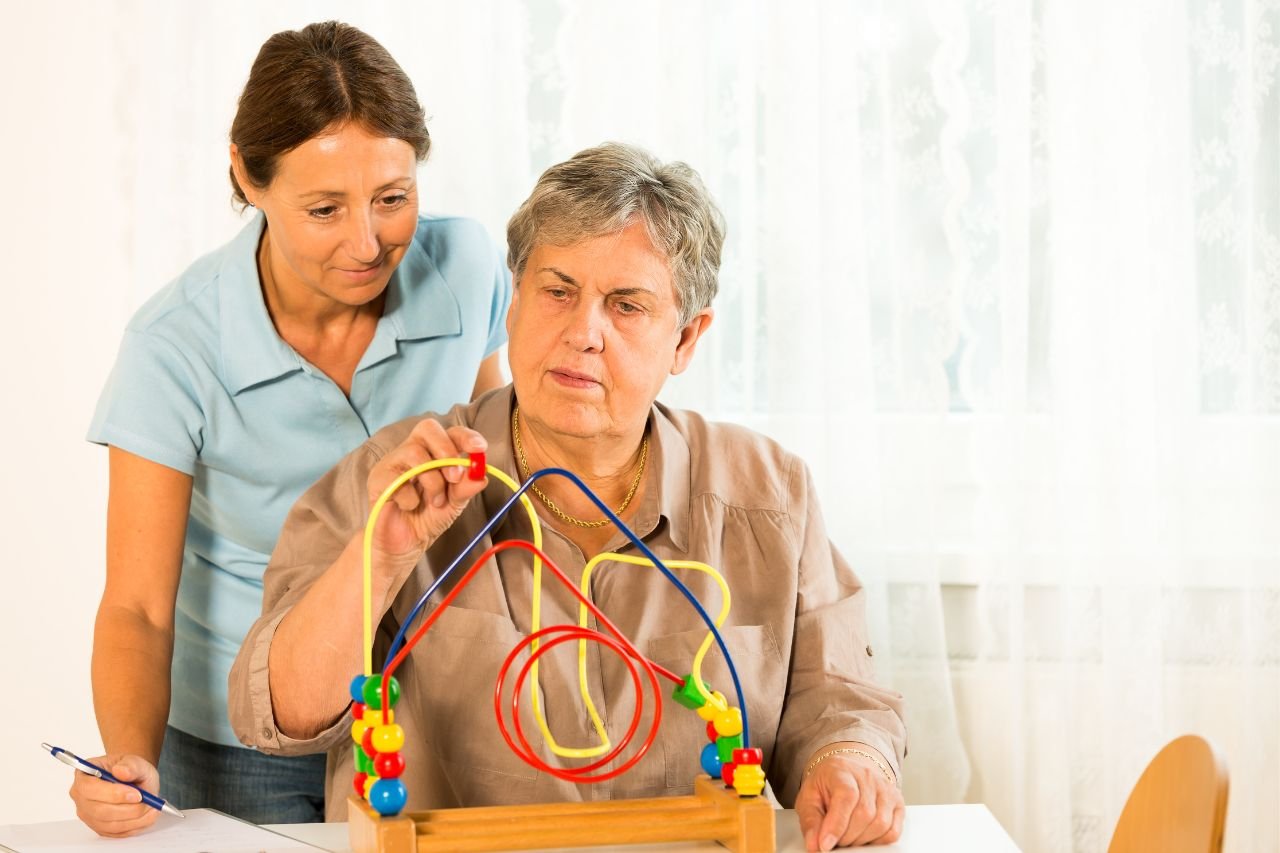
Cognitive Difficulties (e.g., TBI): Using memory aids, attention training, and executive function support.
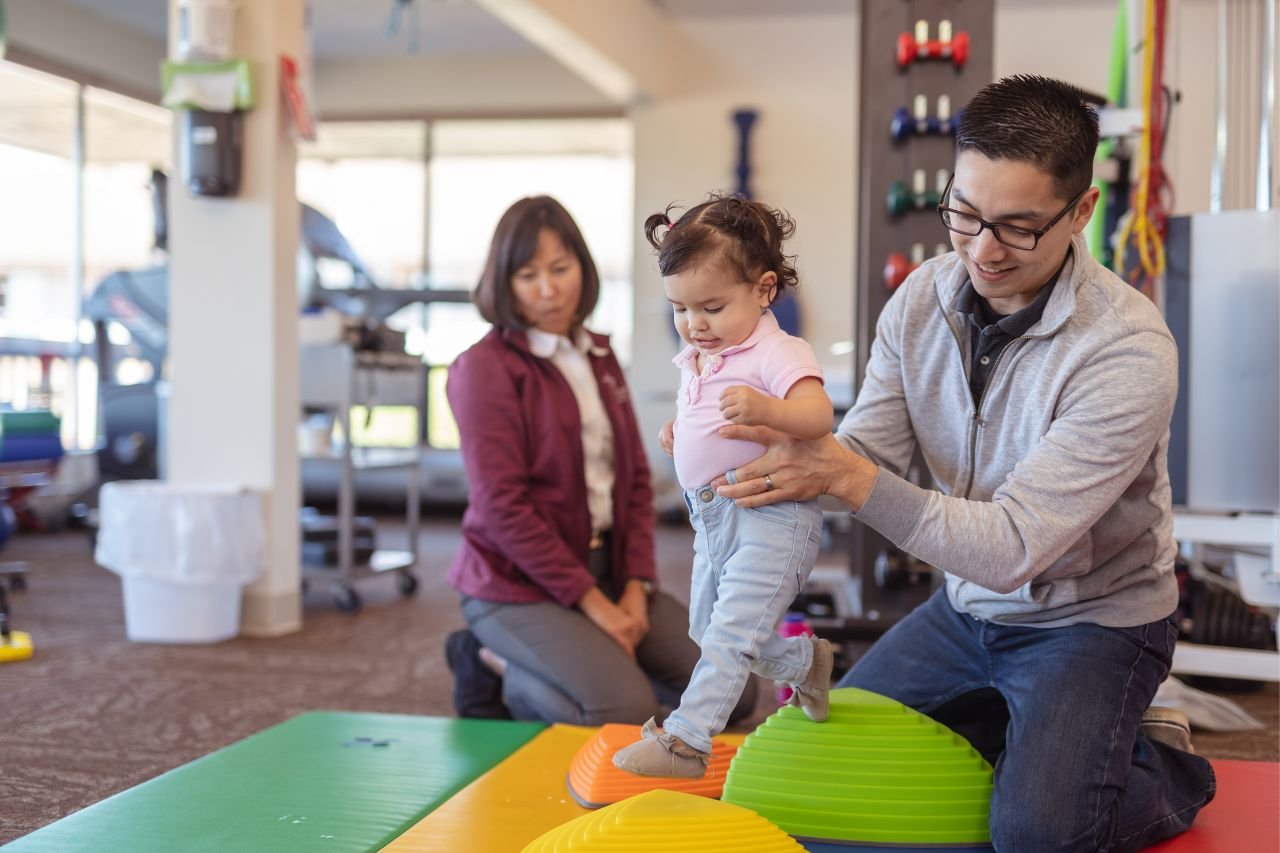
Mobility Issues: Providing home modifications, fall prevention education, and mobility aids.
Sleep Disorders: Teaching sleep hygiene and relaxation strategies to restore rest.
Burnout & Stress: Rebuilding life balance, time management, and emotional stamina.
Grief & Loss: Gently supporting routine rebuilding and emotional processing.
Each program is customised to your goals, helping you feel empowered and supported every step of the way.



Veterans often face lasting emotional, mental, or physical challenges after their service. You don’t have to navigate this journey alone. Working with an Occupational Therapist can help you:
Rebuild your sense of purpose and identity
Regain confidence in your daily routines
Strengthen resilience and emotional wellbeing
Reconnect with your community
Manage chronic health issues more effectively
Adapt your home environment to support safety and comfort
Our therapists understand the unique experiences of veterans and take a respectful, evidence-based, and trauma-informed approach that prioritises your individual needs and values.
Bita Farahani leads our DVA-focused OT services in Perth and via Telehealth across Australia. With more than 15 years of experience in neurorehabilitation, aged care, disability, and mental health, Bita brings deep clinical insight and a warm, person-centred approach to every client.
Registered with AHPRA, OTAUS, and the ISNR, Bita supports veterans living with:
PTSD, anxiety, and depressive disorders
Chronic pain and somatic conditions (e.g., CRPS, fibromyalgia)
Cognitive and executive dysfunctions
Sleep disorders, sensory challenges, and burnout
She partners closely with veterans to build resilience, regain daily function, and create safe, supportive living spaces. Whether in-person at our Perth clinic or through secure Telehealth sessions, Bita offers flexible, expert care that empowers veterans to move forward with confidence.
Click below to Work with Bita and begin your personalised therapy journey.
Step 1: Get a Referral
Ask your GP, hospital, or specialist for a referral to Bita Farahani, Occupational Therapist.
Step 2: Contact Us
Reach out to our team to schedule your first appointment—we’ll help you navigate the next steps.
Step 3: DVA Approval
We work with the DVA to gain approval for any recommended equipment or services.
Step 4: Begin Your Journey
Together, we’ll create a customised therapy plan based on your individual goals and support needs.
💡 Note: There are no out-of-pocket expenses for eligible veterans under the DVA program.
You’ve given so much through your service. Now it’s your turn to be supported. Contact us today to book a FREE Discovery Call and take the first step toward a healthier, more independent future.
📞 [Phone Number]
📧 [Email Address]
Supporting Australia’s Veterans, Every Step of the Way.
DVA-funded Occupational Therapy services across Australia for veterans. Support for PTSD, chronic pain, anxiety, mobility, and cognitive rehabilitation. Book your FREE Discovery Call.
DVA Occupational Therapy Australia, Veterans OT Services Australia, PTSD Occupational Therapy for Veterans, Anxiety Occupational Therapy Veterans, DVA-funded Occupational Therapy, Veterans cognitive rehabilitation Australia, Home modifications DVA veterans, Veteran support Occupational Therapy, Chronic pain OT DVA, Mental health OT veterans, Depression support Occupational Therapy, Occupational Therapy mobility aids veterans, Veterans home safety Occupational TherapyReferences
American Occupational Therapy Association. (2013). Occupational therapy’s role with posttraumatic stress disorder. American Occupational Therapy Association Fact Sheets. https://www.aota.org/
Department of Veterans’ Affairs. (2023). Occupational Therapy Services. https://www.dva.gov.au/get-support/health-support/health-services/occupational-therapy
Hammond, D. C. (2005). Neurofeedback with anxiety and affective disorders. Child and Adolescent Psychiatric Clinics of North America, 14(1), 105–123. https://doi.org/10.1016/j.chc.2004.07.008
Hammer, B. U., Colbert, A. P., Brown, K. A., & Ilioi, E. C. (2011). Neurofeedback for insomnia: A pilot study. Applied Psychophysiology and Biofeedback, 36(4), 251–264. https://doi.org/10.1007/s10484-011-9165-y
Reddy, R. P., Jamuna, N., Indira Devi, B., & Rajeswaran, J. (2013). Neurofeedback training to enhance cognition in stroke patients: A pilot study. Indian Journal of Psychological Medicine, 35(2), 173–177. https://doi.org/10.4103/0253-7176.116248