NEUROPTIMAL® NEUROFEEDBACK · SLEEP
You are exhausted, yet the moment your head touches the pillow, your mind lights up. NeurOptimal® is a calm, non-invasive brain-training session that supports relaxation and healthy sleep habits — in our Wembley clinic or at home, anywhere in Australia.
Led by Bita Farahani, senior occupational therapist · Sessions 33–45 minutes
YOU ARE NOT ALONE
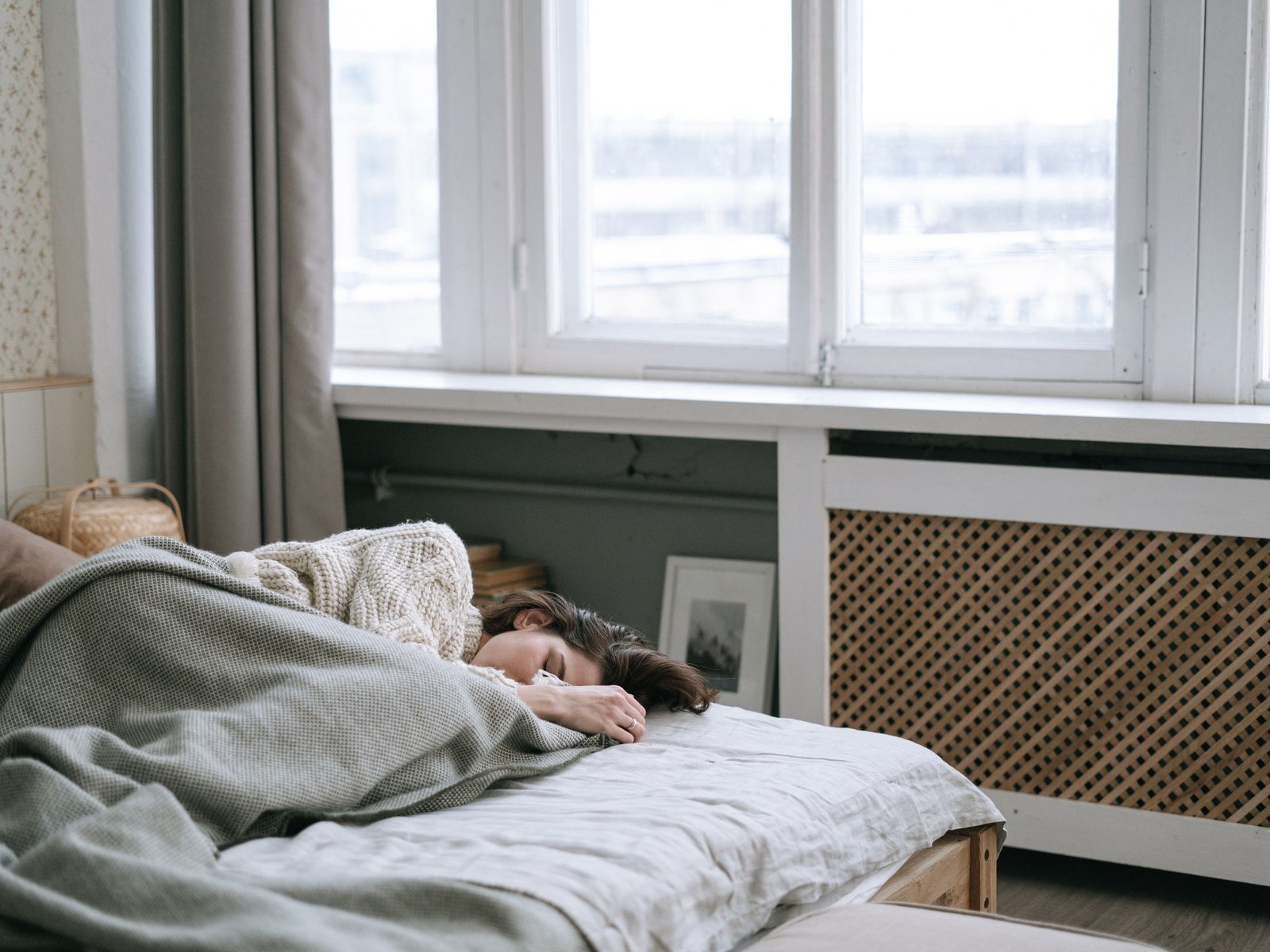
There is a particular loneliness to being awake at 2 am. The house is quiet, the clock is loud, and every thought you pushed aside during the day seems to arrive at once. In the morning you start again — heavier, foggier, a little shorter-tempered than you want to be.
Poor sleep is remarkably common. A national survey for the Sleep Health Foundation found that between a third and almost half of Australian adults regularly sleep too little or too poorly, and feel it during the day (Adams et al., 2017). One in five reported significant insomnia symptoms.
Sleep touches everything: mood, focus, patience, appetite, immunity, and how we cope with stress. When it slips, life feels harder. When it returns, so do we.
THE SCIENCE, SIMPLY
Falling asleep is not something we can force. It is a handover: the brain gradually lowers its guard, shifts its rhythms, and lets go of the day. Stress, worry, pain, screens, shift work and irregular routines can all keep the system a little too alert for that handover to happen smoothly.
Researchers have studied neurofeedback for sleep for many years, with mixed results. One careful, double-blind study found that people with insomnia felt better after training — but just as much with sham feedback, suggesting that care, routine and expectation play a large part (Schabus et al., 2017). The first-line approach for chronic insomnia remains cognitive behavioural therapy for insomnia (CBT-I), which your GP can help you access.
We tell you this because trust matters more to us than a sales pitch. NeurOptimal® is not a sleep treatment. What it offers is a quiet, restful practice that many people enjoy as part of a calmer evening and a healthier relationship with sleep.
A RESTFUL PRACTICE
During a session, you simply sit back and listen to music while the system gives your brain tiny moments of feedback. There is nothing to concentrate on — many people drift into a deep calm, and some even doze.
People who train with us often tell us they:
With a home rental, you can train in the early evening as part of your own wind-down ritual. These are experiences people share, not promises; NeurOptimal® does not diagnose, treat or cure sleep disorders. If you snore loudly, stop breathing in your sleep, or feel very sleepy while driving, please see your GP — these need medical assessment.

PRACTICAL REST
For more, our occupational therapists also offer sleep support through OT and sleep hygiene coaching.
NeurOptimal® Explainer · Official NeurOptimal® video
Understanding NeurOptimal® · Official NeurOptimal® video
Live Your Moment · Official NeurOptimal® video
QUESTIONS
No. NeurOptimal® is wellness brain training. It does not diagnose, treat or cure insomnia or other sleep disorders. Many people enjoy it as part of a calmer routine, alongside advice from their GP.
With a home rental, many people train in the early evening as part of winding down. In the clinic, we’ll find a time that suits you.
Some people feel very relaxed or a little tired straight after a session. If you’re very drowsy, wait before driving.
Yes, NeurOptimal® is used by children. Kids can colour or play quietly during a session. We’ll talk with you about your child’s routine on the discovery call.
Not for neurofeedback. But if you snore heavily, stop breathing during sleep, or are very sleepy during the day, please see your GP — a sleep study may be important.
KEEP READINGNeurofeedback for anxiety · Meditation & mindfulness · Burnout
Mental Health OT Australia
If you would like to talk it through, we are here. A short, no-pressure discovery call is a lovely first step — or call us, or send us a message. We will listen, answer your questions honestly, and help you decide what, if anything, comes next.
Led by Bita Farahani, senior occupational therapist · Wembley, Perth · Online and home rental Australia-wide
Prefer to write? Send us an enquiry and we will be in touch soon.
NeurOptimal® neurofeedback is a general wellness brain-training system. It does not diagnose, treat, prevent or cure any medical or psychological condition, and individual experiences vary. It is not a substitute for advice or care from your GP or another qualified health professional. If you need urgent support, call Lifeline on 13 11 14 or 000 in an emergency. NeurOptimal® and Dynamical Neurofeedback® are registered trademarks of Zengar Institute Inc. Mental Health OT Australia does not promise NDIS or other funding for neurofeedback or device rental.