
Social anxiety isn’t simply about being shy or introverted. It’s a mental health condition that can significantly affect daily routines, relationships, and even self-worth. People living with social anxiety often avoid important everyday tasks like making phone calls, attending appointments, or participating in group activities, which can lead to increased isolation and reduced quality of life.
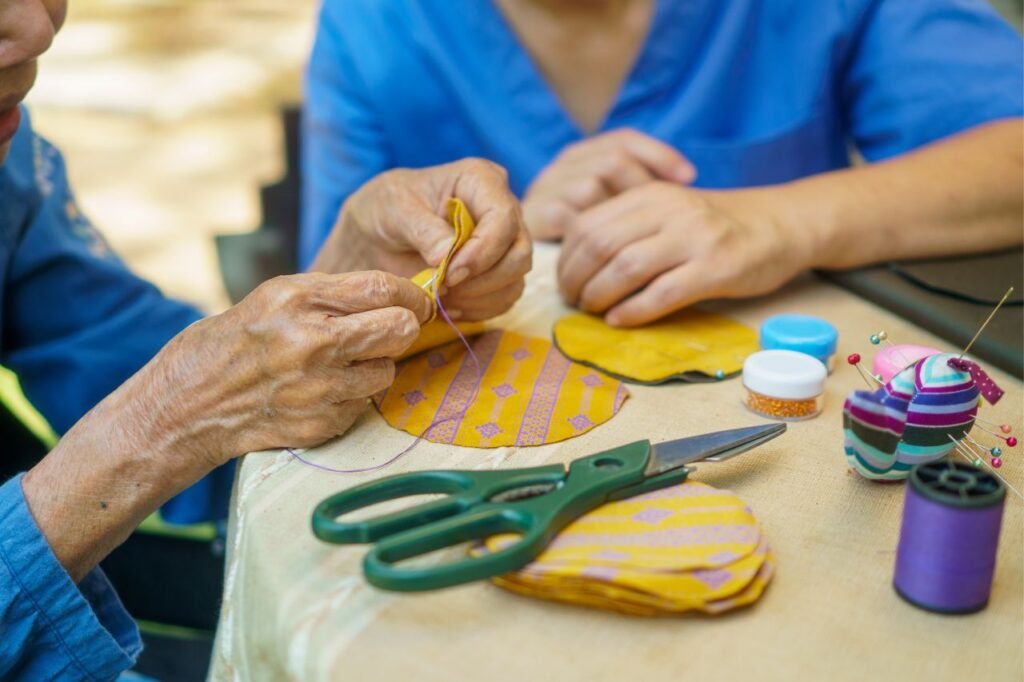
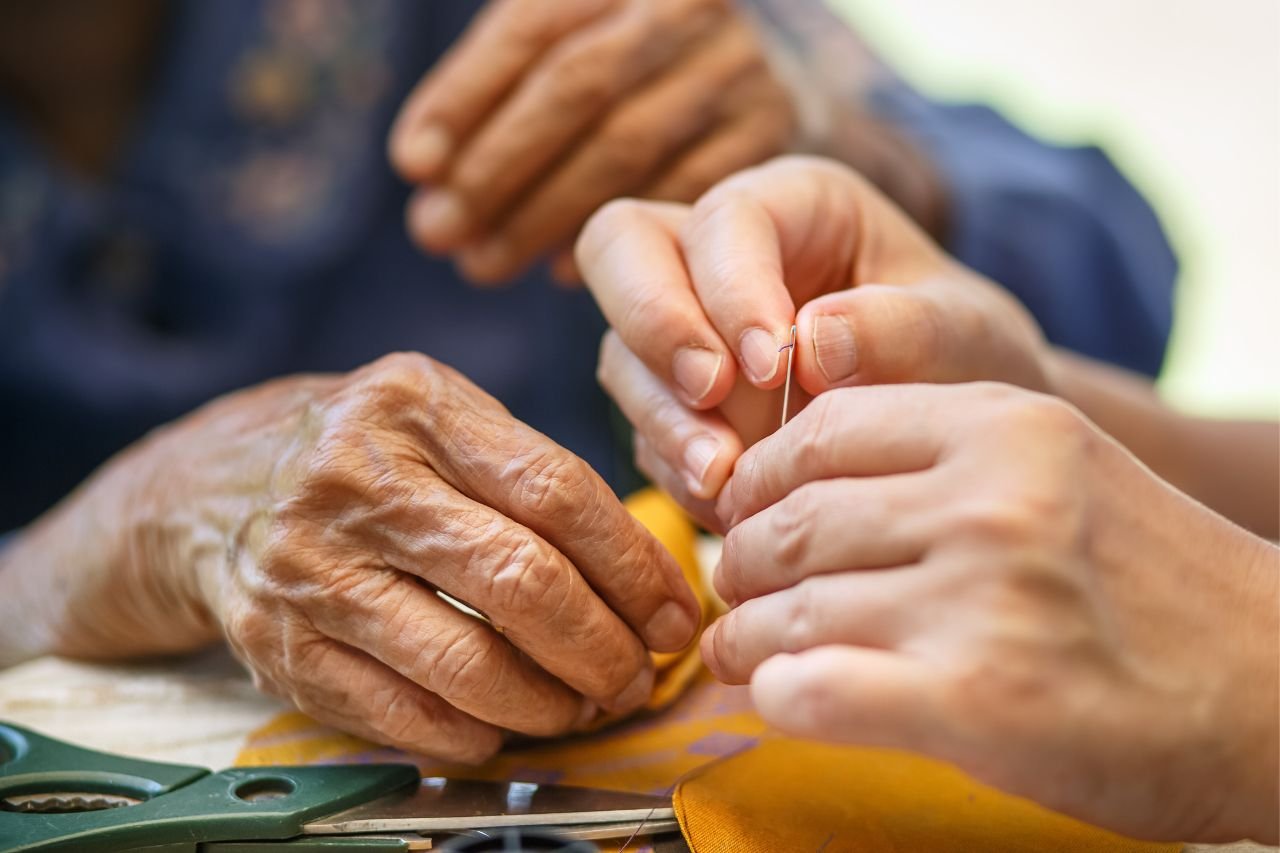

Occupational therapy (OT) takes a practical, evidence-based approach to managing social anxiety. Unlike talk therapy alone, OT focuses on building real-world skills, habits, and routines. It helps individuals engage in meaningful daily activities, improve self-regulation, and increase confidence through gradual exposure and skill-building strategies.
Each person experiences social anxiety differently. Occupational therapists start by understanding how anxiety affects a person’s unique lifestyle. Whether it’s attending school, going to work, or participating in community events, the therapist works alongside the individual to create manageable goals. Tools like role-playing, social scripts, and sensory regulation strategies are used to support gradual change.
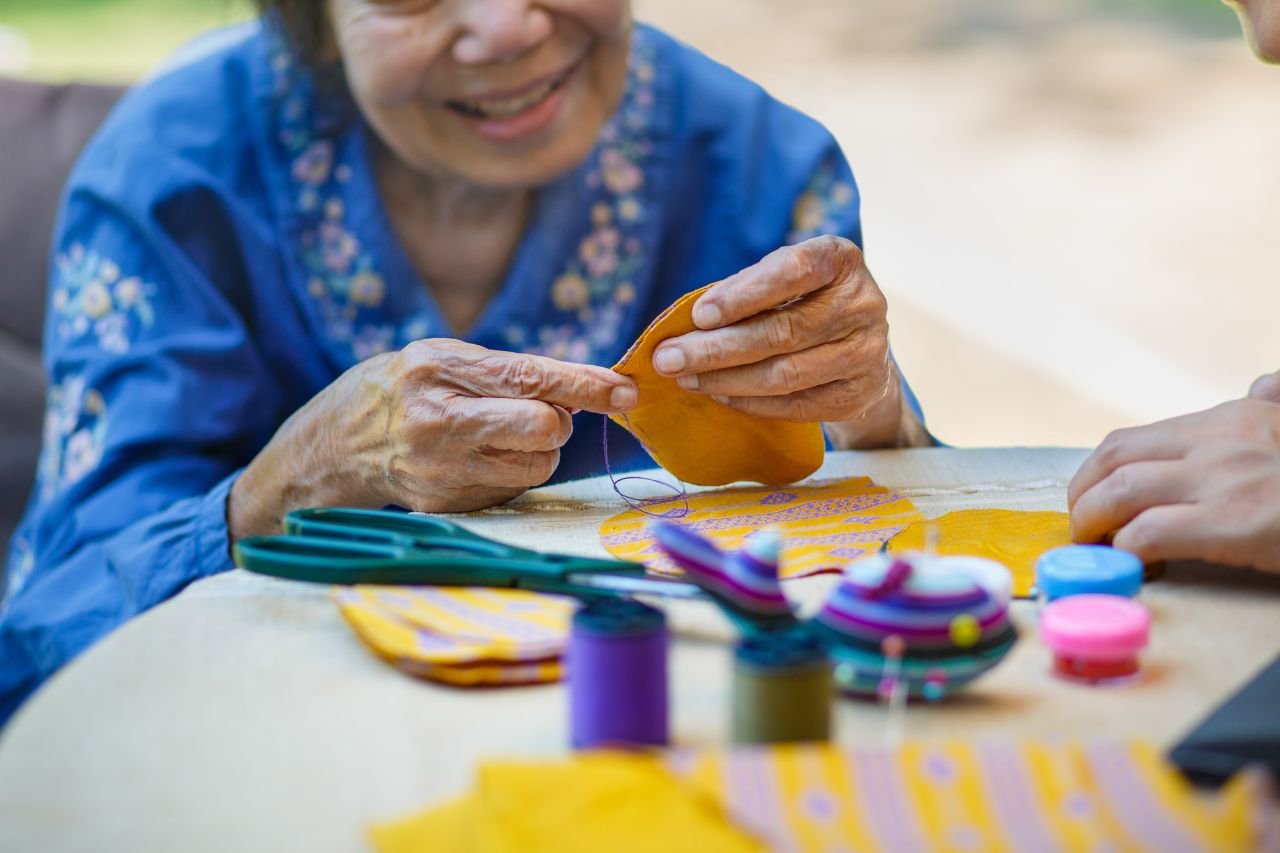


Occupational therapy addresses anxiety not in isolation but as part of everyday function. That could include preparing a client to use public transport independently, managing anxiety around mealtimes in social settings, or building tolerance for community engagement. Through structured interventions, OT empowers individuals to rebuild social confidence at their own pace.
As a leading mental health occupational therapist, Bita Farahani plays a central role at Mental Health OT Australia. Her client-centred approach ensures that support is never one-size-fits-all. She helps individuals manage social anxiety through compassionate, evidence-driven therapy plans tailored to their personal goals and values.
How Occupational Therapy Helps Manage Social Anxiety
Social anxiety disorder often presents in subtle, deeply personal ways. For some, it manifests as physical symptoms like a racing heart before a presentation. For others, it causes avoidance of daily errands or even isolation within their own home. Occupational therapy steps in as a bridge between clinical care and real-life participation.
The first step is a thorough functional assessment, such as those offered by Mental Health OT Australia, to understand how anxiety affects the person’s daily functioning. From there, the therapist collaborates with the client to set goals that align with their lifestyle. Interventions may include cognitive-behavioural techniques, sensory modulation, community outings with therapeutic support, or structured social exposures. This allows the person to gradually face anxiety-inducing tasks with guidance, then transition into independent participation.
In addition, therapists work on self-regulation skills like mindfulness, time management, and routine planning, which further help individuals feel in control. OT also extends support to those affected by conditions that often co-occur with social anxiety, such as ADHD or auditory processing disorders. Through a multidisciplinary lens, OT professionals ensure no part of the person’s needs is overlooked.
A Collaborative and Empowering Process
What makes occupational therapy distinct in treating social anxiety is its hands-on, strengths-based approach. It focuses less on what the person can’t do and more on what they can do — and how to do more of it. This collaborative model creates a sense of safety and empowerment. Clients aren’t pushed; they’re guided through small, achievable steps that build lasting change.
The therapist’s role includes advocating for the person across home, education, and community settings, ensuring support structures are in place. Services such as occupational therapy for adults or mental health occupational therapy focus on making day-to-day life more manageable and fulfilling.
As therapy progresses, individuals often begin reclaiming parts of their life once avoided. That might mean rejoining a local gym, applying for a job, or simply enjoying a family gathering without fear. These wins, no matter how small, are celebrated milestones in the OT journey.
FAQs About Occupational Therapy for Social Anxiety
1. How is occupational therapy different from traditional therapy for social anxiety? Occupational therapy focuses on building the practical, functional skills needed to manage daily life, rather than solely addressing thoughts and feelings. It bridges the gap between psychological insight and real-world application.
2. Can children and teenagers benefit from OT for social anxiety? Yes. OT can be highly effective for young people, helping them navigate school settings, peer interactions, and transitions with confidence and skill.
3. Is a referral needed to access services at Mental Health OT Australia? You can contact the team directly on 📞 0406107775 or 📧 info@mentalhealthotaustralia.com.au, or visit the contact page to begin the process. No formal referral is necessary, though one can be helpful.
4. Does occupational therapy treat co-occurring conditions alongside social anxiety? Absolutely. OT services often address overlapping challenges such as ADHD, sensory processing difficulties, or trauma-related responses. Treatment plans are holistic and tailored to the individual.
5. What should I expect in my first OT session? Your first session will involve a thorough discussion about your daily routines, challenges, and goals. It’s a relaxed, supportive space where your therapist begins to build a personalised plan with you.
For individuals struggling with social anxiety, occupational therapy offers more than coping tools — it offers the opportunity to reconnect with life. Through tailored strategies and compassionate support, clients learn to manage anxiety in the very environments where it once held them back. If you or a loved one is navigating social anxiety, reach out to Mental Health OT Australia today and take the first step toward meaningful change.