OCCUPATIONAL THERAPY · NEUROPTIMAL® BRAIN TRAINING
Dyslexic minds are often creative, curious and full of big-picture ideas. But when reading and spelling take so much effort, frustration and fatigue can build up. Our occupational therapy, with gentle NeurOptimal® brain training where it fits, supports the calm, focus and confidence that help learning feel possible again.
UNDERSTANDING DYSLEXIA
Dyslexia is a common learning difference that affects reading, spelling and how quickly written words are processed. It has nothing to do with intelligence (healthdirect). The best-supported help is structured, explicit reading instruction from a skilled teacher or specialist (AUSPELD).
What often goes unseen is the emotional side: the child who “hates” homework, avoids reading aloud, gets exhausted by lunchtime, or starts to believe they are not smart. That is where we come in.
ALONGSIDE LEARNING SUPPORT
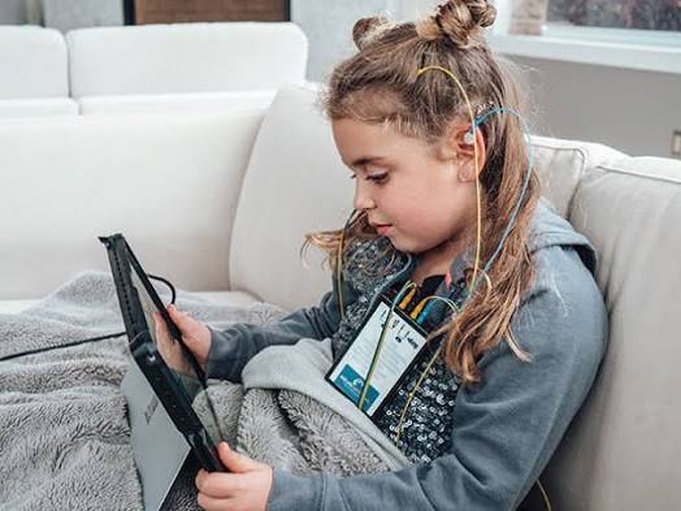
NeurOptimal® does not teach reading and does not treat dyslexia. What it offers is a calm, restful session — sensors listen, music plays — that many people find settling. Inside an occupational therapy plan, we use it as one tool to support:

Discovery call → OT assessment (strengths, routines, sensory and emotional needs) → OT sessions, with NeurOptimal® (33–45 min) where clinically appropriate. We are happy to work alongside teachers and literacy specialists.
Suitability as part of NDIS or other supports is discussed with your OT; we cannot guarantee funding.
QUESTIONS
No. Dyslexia is a lifelong difference; evidence-based reading instruction remains essential.
As a gentle tool within OT to support calm, focus and confidence around learning.
Yes — many adults with dyslexia want support with workplace stress and organisation.
No, though one helps the school plan support.
OT by telehealth is available, and home training can be discussed.
Related: Neurofeedback Brain Training in OT · ADHD · Auditory processing · Children
Mental Health OT Australia
If you would like to talk it through, we are here. A short, no-pressure discovery call is a lovely first step — or call us, or send us a message. We will listen, answer your questions honestly, and help you decide what, if anything, comes next.
Led by Bita Farahani, senior occupational therapist · Wembley, Perth · Online and home rental Australia-wide
Prefer to write? Send us an enquiry and we will be in touch soon.
NeurOptimal® neurofeedback is a general wellness brain-training system. It does not diagnose, treat, prevent or cure any medical or psychological condition, and individual experiences vary. It is not a substitute for advice or care from your GP or another qualified health professional. If you need urgent support, call Lifeline on 13 11 14 or 000 in an emergency. NeurOptimal® and Dynamical Neurofeedback® are registered trademarks of Zengar Institute Inc. Mental Health OT Australia does not promise NDIS or other funding for neurofeedback or device rental.