If you or your child is living with ADHD, ordinary days can ask more of you than other people see. Getting out the door, staying with a task, managing a rush of feeling, or settling at night may take a kind of effort that is hard to explain. You are not imagining it, and you do not have to work it out alone.
Mental Health OT Australia, in Wembley, Perth, offers occupational therapy and NeurOptimal® neurofeedback for children, teenagers and adults. The practice is led by senior occupational therapist Bita Farahani. We offer practical, kind support for daily life. NeurOptimal® is a wellness brain-training system. It does not diagnose, treat or cure ADHD, and results vary from person to person.
ADHD is a neurodevelopmental condition. It can affect attention, activity levels and impulse control, but daily life is often messier than those three words suggest.
In children and teenagers, it may look like unfinished schoolwork, lost jumpers, big reactions after a long day, or trouble starting homework. In adults, it may look like missed bills, a cluttered desk, talking over people without meaning to, or feeling exhausted from holding everything together at work. Restless sleep, sensory overwhelm and a knock to confidence are common too.
ADHD often sits alongside anxiety or low mood. A large study of adults found that ADHD commonly occurs with other mental health conditions and can get in the way of work and relationships (Kessler, 2006). Support works best when it looks at real life, not only at attention in a clinic room. If worry is a big part of the picture, you may also like our page on neurofeedback and stress and anxiety.
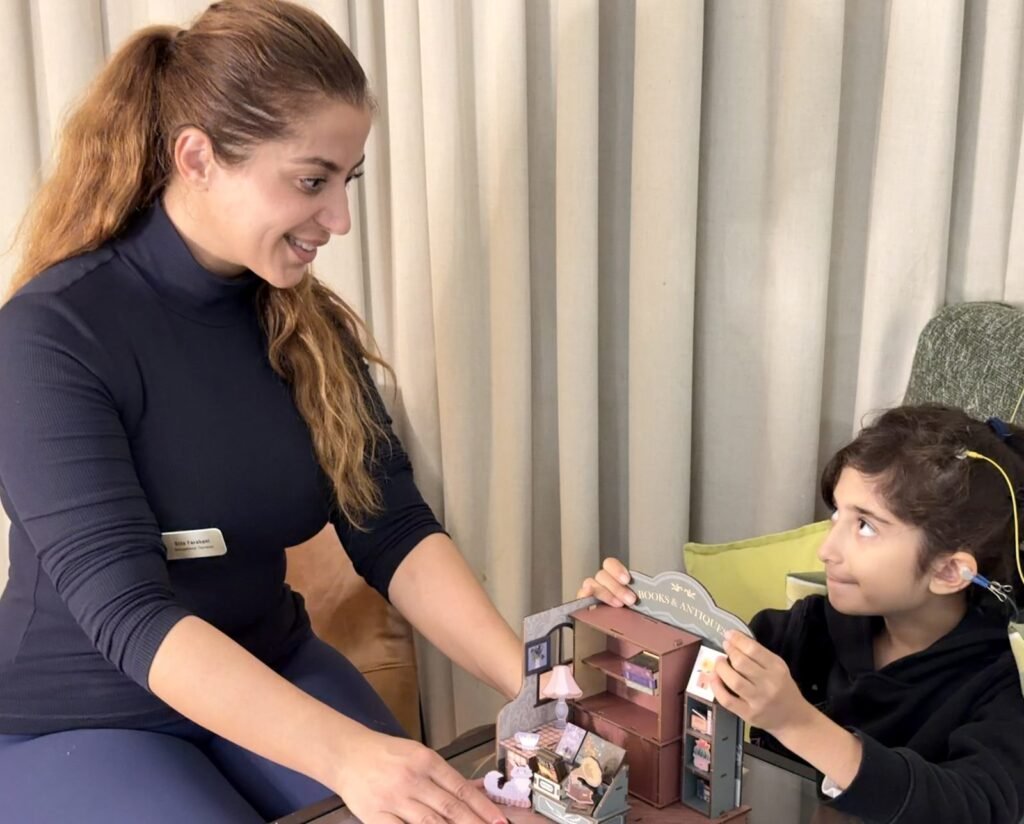
Occupational therapy is about everyday life: getting ready, learning, working, playing, resting and being with other people. In ADHD occupational therapy in Perth, Bita works with you — or with you and your child — on the skills and routines that would make the week feel more manageable. That can include planning and organisation, simpler routines, strategies for frustration and emotional regulation, sensory support, sleep habits, and ideas for school, work or social life. This is not about “trying harder”. It is about finding a way of doing things that fits your brain and your household.
Research supports this kind of practical help. In a randomised study, a parent-and-child occupational therapy program that trained executive strategies in play and daily activities improved parent-rated executive function and participation for children with ADHD (Hahn-Markowitz, 2017). We do not deliver that exact program as a named package, but it backs what occupational therapists have long seen: when help is woven into real daily tasks, life can start to feel more possible. Australia’s national ADHD guideline also emphasises non-medication supports for family, school and work life, alongside any medical care a person already receives (ADHD Guideline Development Group, 2022; May, 2023).
People often ask us about neurofeedback for ADHD after hearing that brain training might help with focus or calm.
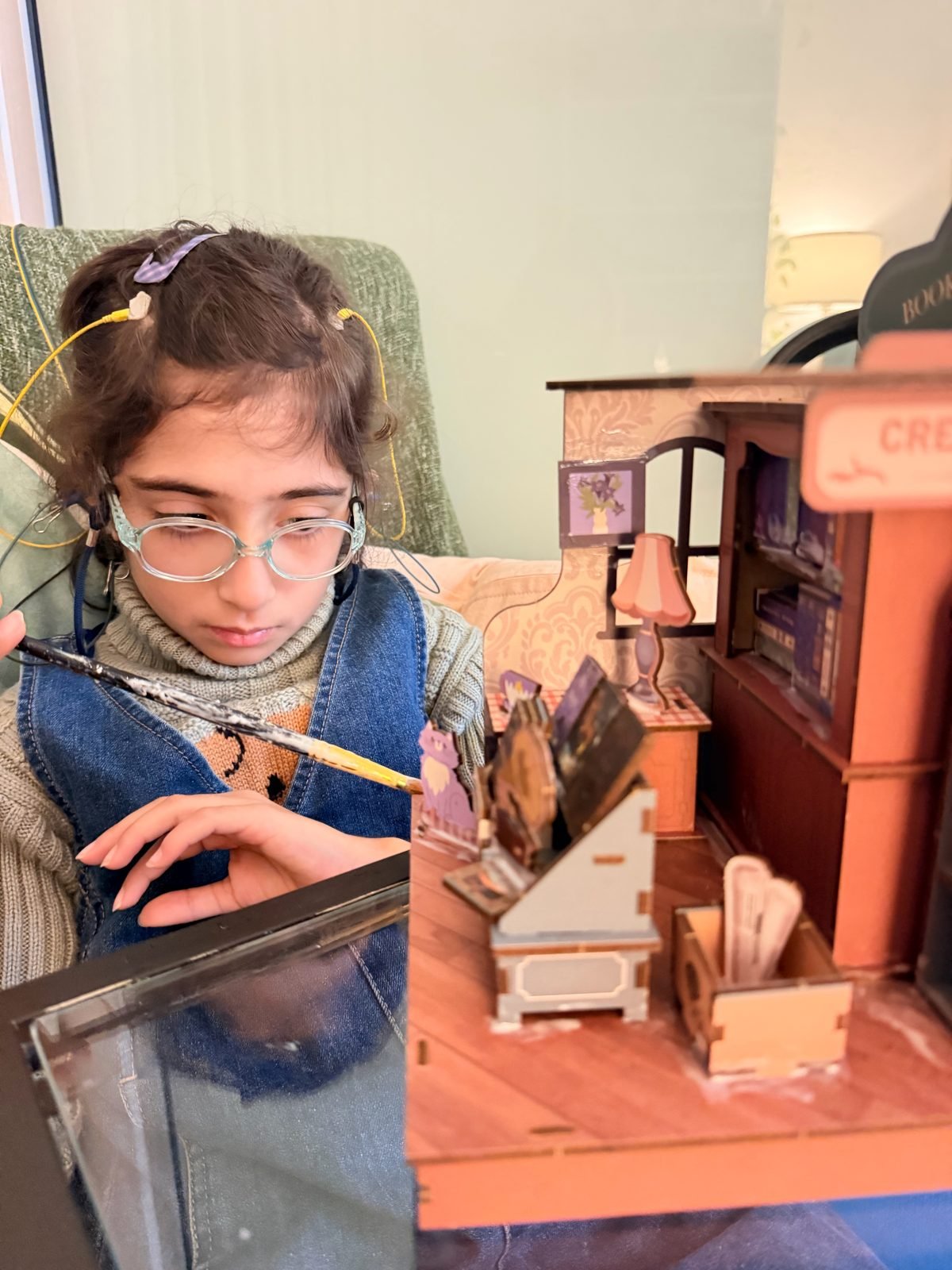
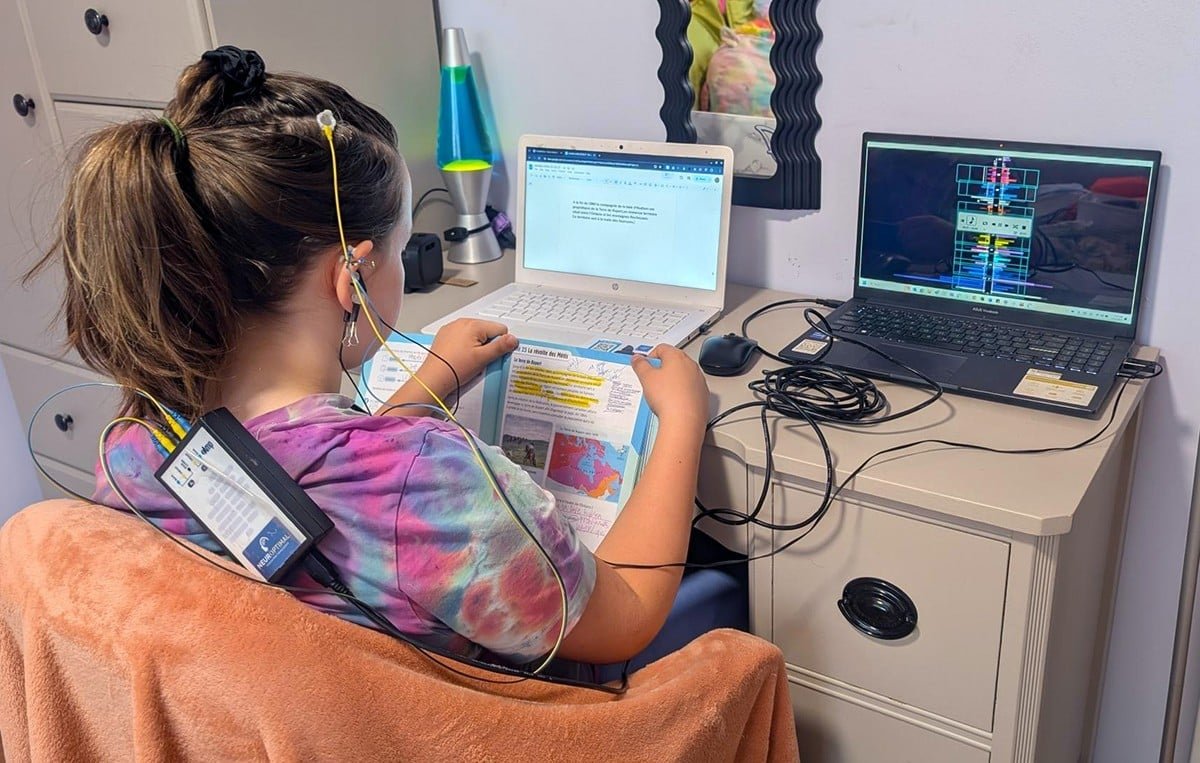
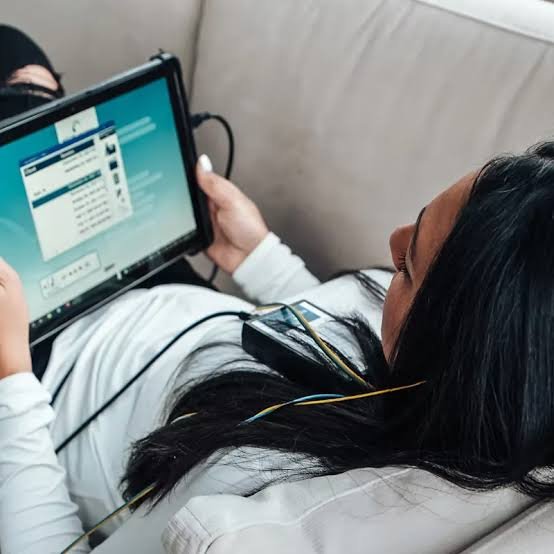
NeurOptimal® is a form of dynamical neurofeedback. Small sensors on the scalp and ears listen to your brain’s own activity. While you sit comfortably and listen to music, the system gives very brief interruptions in the sound. Those tiny pauses are information for the brain. You do not have to try, perform, or “get it right”. Many people read, colour, rest, or simply listen. A session is usually about 30 to 45 minutes. Afterwards, some people feel calm or clear, some feel tired, and some notice very little at first.
Neurofeedback has been studied in ADHD for many years, and the research path has been long and mixed (Arns, 2014). The Australian ADHD guideline did not make a recommendation for or against it, because findings were inconsistent in children and adolescents and inconclusive in adults (ADHD Guideline Development Group, 2022). Most of that research also looks at protocol-based systems, which work differently from NeurOptimal®.
We therefore offer NeurOptimal® as wellness brain training, not as a medical treatment. It does not diagnose, treat, prevent or cure ADHD, and it is not a replacement for care from your GP, paediatrician, psychiatrist or psychologist. We will never ask you to change medication without advice from the clinician who prescribed it. Some people notice a greater sense of calm, or a little more space to use the strategies they are practising in therapy. Others notice less. You can also read our earlier overview, neurofeedback therapy for ADHD.
The two supports have different jobs. Occupational therapy helps you build skills, routines and confidence in daily life. NeurOptimal® is a gentle, passive form of brain training that some people find settles their system, so those skills are easier to use. One does not replace the other.
If you have both, we keep them clearly separate: each has its own purpose, consent, records and fees. Neurofeedback rental is a wellness service, not a form of occupational therapy. Families who want to train at home, or who live outside Perth, can rent a NeurOptimal® system Australia-wide. NDIS or other funding for rental should never be assumed.
This combination may suit children and teenagers who need help with routines, emotions, school or sensory overwhelm, and adults who are tired of white-knuckling through work, study or family life. It may also suit people who already have an ADHD diagnosis, and people still exploring what is going on with their usual health professionals.
It is not a stand-alone answer for every situation. If another service is needed first, we will say so. Parents looking for support for younger clients may also like our page on neurofeedback for kids.
The first step is a conversation. Tell us what is feeling hard and what you are hoping for. We will explain how ADHD occupational therapy in Perth works at our Wembley clinic, how a NeurOptimal® session feels, and whether one or both options are a good fit. If you go ahead, occupational therapy is planned around your goals. Neurofeedback, if you choose it, can happen at the clinic or through an Australia-wide home rental. There is no set number of sessions that “works for ADHD”. We review how things are going as you go.
We are NDIS-friendly and can work with self-managed and plan-managed participants. We are not a registered NDIS provider, so we cannot accept agency-managed plans, and we cannot guarantee that NDIS or any other funder will cover occupational therapy or neurofeedback rental. If you have a GP or specialist referral, bring it along and we can talk through the options that apply to you.
Supporting a younger child? NeurOptimal® also shares its own overview, Neurofeedback for kids, on homework, big feelings and daily routines.
No. NeurOptimal® is wellness brain training. It does not diagnose, treat, prevent or cure ADHD or any other condition. Research on neurofeedback and ADHD is mixed, and results vary. It can be used alongside, not instead of, care from your medical team.
An occupational therapist looks at how ADHD shows up in daily life and helps you build skills and routines around that — planning, emotional regulation, sensory needs, sleep, and support for school, work or home. The focus is participation and confidence, not a cure.
You sit comfortably with small sensors on the scalp and ears and listen to music. Brief pauses in the sound are the feedback. You do not have to concentrate on a task or try to change anything. Most sessions last about 30 to 45 minutes.
Yes. We see children, teenagers and adults. Sessions are gentle and do not require a child to “perform”. For younger clients, a parent or carer is part of the process, especially in occupational therapy, so strategies can be used at home and at school.
Yes. Clinic sessions are offered in Wembley, Perth, and NeurOptimal® rental is available Australia-wide, with remote orientation and ongoing support. Occupational therapy can also be discussed by telehealth where that is clinically appropriate.
If this sounds like the kind of support you have been looking for, we would like to hear from you. Call Bita and the team at Mental Health OT Australia on 0406 107 775, or start with a referral or enquiry.
The clinic is in Wembley, Perth, and is led by senior occupational therapist Bita Farahani. We will take the time to listen and help you decide the next step.
NeurOptimal® neurofeedback is a general-wellness brain-training system. It does not diagnose, treat, prevent or cure any medical or psychological condition. Individual experiences vary.