NEUROPTIMAL® NEUROFEEDBACK · FIFO WORKERS
Long swings, early starts, broken sleep in a donga and the jolt of coming home again. NeurOptimal® Neurofeedback is a gentle, non-invasive brain-training session you can do in our Wembley clinic between rosters, or at home on R&R anywhere in WA.
Led by Bita Farahani, senior occupational therapist · Sessions 33–45 minutes
LIFE ON ROSTER
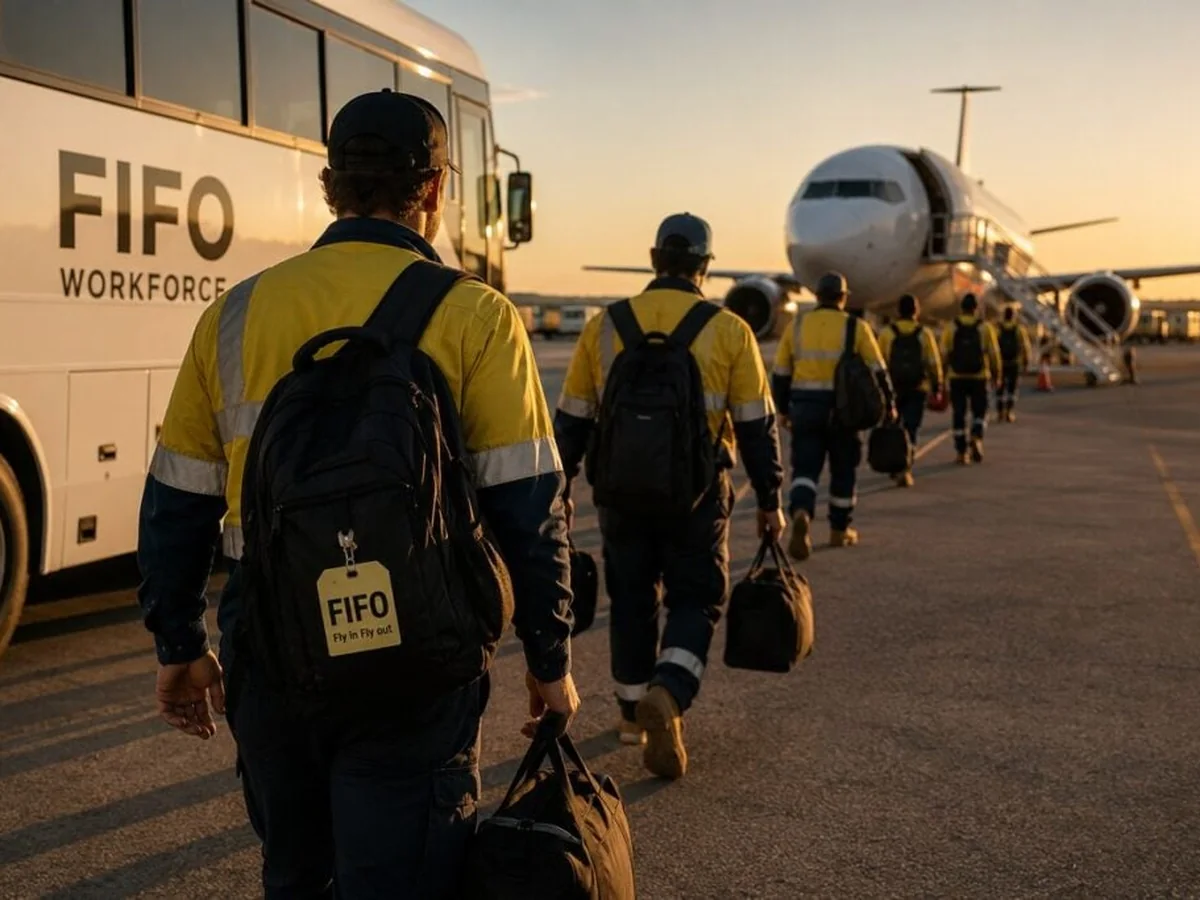
Fly-in fly-out work is part of everyday life in Western Australia. Whether you are on site in the Pilbara, around Karratha and Port Hedland, or out in the Goldfields near Kalgoorlie, the pattern is familiar: long shifts, early flights, time away from the people you love, and then a few days at home to catch up on everything at once.
Many FIFO workers do well on roster. But it is also honest to say that it can be hard. In a survey of 1,124 remote mining and construction workers in Australia, 28% had high or very high psychological distress — compared with about 11% of Australians overall. The stresses people named most were missing special events, relationship strain, money worries, shift rosters and feeling isolated (Bowers et al., 2018).
Partners and children feel it too: one parent leaving and coming back every couple of weeks is its own rhythm to adjust to. People come to us when they want to sleep better on and off swing, feel less wired on the flight home, and be more present with their family on R&R.
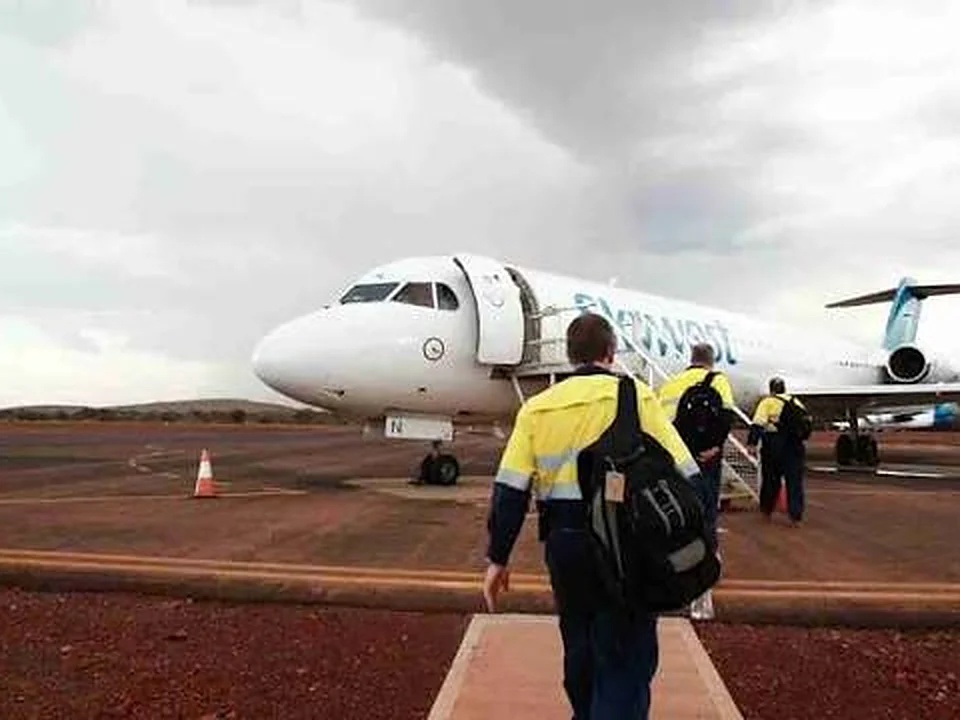
Red dirt and early flights — the start of another swing in the Pilbara.
UNDERSTANDING FIFO LIFE
Fly-in fly-out work means flying to a remote site for a block of shifts, then flying home for a block of rest. It is woven into Western Australia’s resources and construction industries, and the State now has a dedicated Code of Practice for mentally healthy FIFO workplaces (WorkSafe WA, FIFO Code of Practice).
That Code followed a WA Parliamentary inquiry into the mental health impacts of FIFO work arrangements (Parliament of WA, 2015 inquiry).
Lifeline WA, which runs the Resourceful Mind™ peer-support program with the Chamber of Minerals and Energy WA, points to isolation, long hours, high job demands and limited access to support as the reasons resource workers face greater risk of mental ill health (Lifeline WA, Resourceful Mind).
Workers themselves most often name missing special events, relationship strain, money worries, rosters and loneliness (Bowers et al., 2018).
Your brain runs on rhythms. The body clock takes its cues from light, meals, movement and routine. Twelve-hour shifts, night rotations and flights keep moving those cues, so the brain keeps re-setting itself.
A review of 90 studies of rotation workers found more sleep problems during work periods than on days off, and a strong link between high job demands and exhaustion (Asare et al., 2021). A nervous system that spends two weeks in “site mode” does not always find the off switch when you land at Perth Airport. That is not weakness. It is a brain doing exactly what it has practised.
If any of this feels heavy, please talk with your GP or EAP. In a crisis, call Lifeline 13 11 14, any time.
WHAT THE RESEARCH SAYS
There are no published studies of neurofeedback specifically with FIFO workers, so we will not pretend otherwise. What exists is research on the things FIFO workers most often struggle with: stress and sleep.
Scientists are increasingly interested in neurofeedback as a way to support the brain’s own capacity to regulate under stress, while noting that better-designed trials are still needed (Krause et al., 2024). For sleep, a 2021 review of 12 studies found that people consistently reported sleeping better after neurofeedback, but objective sleep measures were mixed and a placebo effect may have played a part (Lambert-Beaudet et al., 2021). One carefully controlled trial in insomnia found neurofeedback was no better than a sham version (Schabus et al., 2017).
HOW NEUROPTIMAL® NEUROFEEDBACK MAY HELP
NeurOptimal® Neurofeedback is gentle and non-invasive. Small sensors simply listen to your brain’s electrical activity while you rest and listen to music. When the system notices a sudden shift, the music pauses for a split second. Your brain notices that tiny pause and reorganises in its own way. Nothing is sent into the body, and there is nothing to learn or get wrong.
These are the experiences people most often describe. They are not promises, and every brain responds in its own way.
Many people find sessions deeply restful and say they settle to sleep more easily, both on swing and at home.
A session gives the nervous system a quiet pause — a gentle way to step out of site mode on your first day back.
People often describe feeling calmer, steadier and less reactive in busy weeks.
Some say they feel clearer and brighter once sleep and stress settle.
A calmer mind can make it easier to be present on R&R. Partners and children can train on the same home system.
NeurOptimal’s own wellness statements describe NeurOptimal® Neurofeedback in terms of stress management and sleep management as part of a healthy lifestyle — never as a treatment for any condition (NeurOptimal®, wellness statements).
There are no NeurOptimal® Neurofeedback studies with FIFO workers. These are the closest pieces in NeurOptimal’s own library, and most are conference presentations rather than peer-reviewed trials:
You can browse the full library on NeurOptimal’s research page. If you would like to talk it through, get in touch or call 0406 107 775.
WHAT TO EXPECT
Many FIFO workers start with a clinic visit on R&R and then rent a system so they can keep training at home, and their partner or teenagers can train too.
We work with children, teens and adults from 4½ years of age. Questions? Contact us or call 0406 107 775. New to neurofeedback? Start with Neurofeedback, gently explained.
QUESTIONS
Most people train at home on R&R, or in our Wembley clinic between rosters. Whether a system can travel to site depends on your camp and employer, so please check with them first. We can talk it through on a free discovery call.
Yes. A home rental can be used by the whole household — unlimited sessions, up to two per person per day. We work with children, teens and adults from 4½ years of age.
Yes. We send home systems by Express Post Australia-wide, including the Pilbara, Karratha, Port Hedland, Kalgoorlie and the Goldfields, with a remote orientation and ongoing support.
No one can promise that. NeurOptimal® Neurofeedback is wellness brain training and does not diagnose, treat or cure any condition. Many people find it calming, and it sits alongside — never instead of — care from your GP, EAP or psychologist.
No referral is needed. If your GP, EAP provider or support coordinator would like to refer you, they can use our referral page.
Mental Health OT Australia
If you would like to talk it through, we are here. A short, no-pressure discovery call is a lovely first step — or call us, or send us a message. We will listen, answer your questions honestly, and help you decide what, if anything, comes next.
Led by Bita Farahani, senior occupational therapist · Wembley, Perth · Online and home rental Australia-wide
Prefer to write? Send us an enquiry and we will be in touch soon.
NeurOptimal® Neurofeedback is a general wellness brain-training system. It does not diagnose, treat, prevent or cure any medical or psychological condition, and individual experiences vary. It is not a substitute for advice or care from your GP or another qualified health professional. If you need urgent support, call Lifeline on 13 11 14 or 000 in an emergency. NeurOptimal® and Dynamical Neurofeedback® are registered trademarks of Zengar Institute Inc. Mental Health OT Australia does not promise NDIS or other funding for neurofeedback or device rental.