NEUROPTIMAL® NEUROFEEDBACK · TRAUMA & PTSD
When something overwhelming has happened, the body can keep bracing long after the danger has passed. NeurOptimal® is a quiet, non-invasive brain-training session — no talking required, nothing to relive — offered with care in our Wembley clinic or at home anywhere in Australia.
Trauma-informed · Led by Bita Farahani, senior occupational therapist · Sessions 33–45 minutes
YOU ARE NOT ALONE
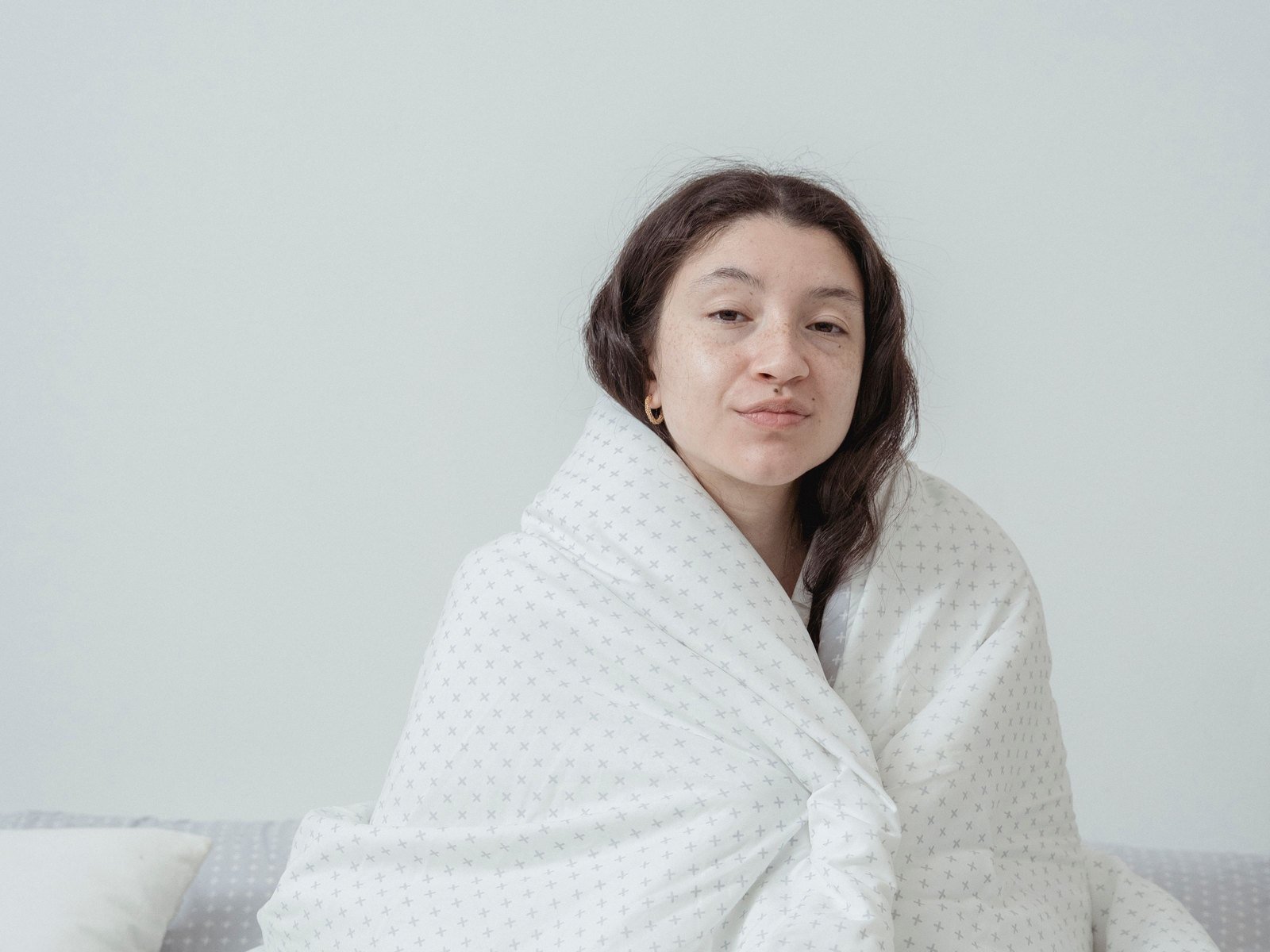
Trauma is not only about what happened. It is also about what stays: the jolt at a sudden noise, the sleep that never feels deep enough, the scanning of every room, the numbness that settles over the things you used to enjoy. Many people describe feeling “stuck on alert” — as if part of them is still waiting for the next thing to go wrong.
Post-traumatic stress is common and very human. In a 12-month period, around 5.6% of Australians aged 16–85 — more than one million people — experience post-traumatic stress disorder (ABS, 2023). Many more live with the quieter echoes of difficult experiences without ever having a name for it.
If you recognise yourself here, please hear this first: your reactions made sense at the time. They were your nervous system working hard to protect you.
THE SCIENCE, SIMPLY
When we face real danger, the brain’s alarm system rightly takes over: heart racing, muscles ready, attention narrowed to survival. After trauma, that alarm can stay sensitive. Ordinary reminders — a smell, a tone of voice, a crowded room — may set it off as if the threat were happening again. Sleep, concentration and closeness to others can all suffer (healthdirect).
Researchers have been exploring neurofeedback as one way to support a calmer, more flexible nervous system after trauma. A 2023 review of controlled studies, led by an Australian team that works with refugee survivors in Sydney, found encouraging reductions in PTSD symptoms — while noting the studies were mostly small and varied, and calling for larger trials (Askovic et al., 2023). One of the best-known trials, in adults with long-standing PTSD, also reported promising results (van der Kolk et al., 2016).
Those studies used different neurofeedback methods from NeurOptimal®, so we don’t treat them as promises. Trauma-focused psychological therapy remains the recommended first step, and neurofeedback — if you choose it — sits gently alongside that care.
SAFETY FIRST
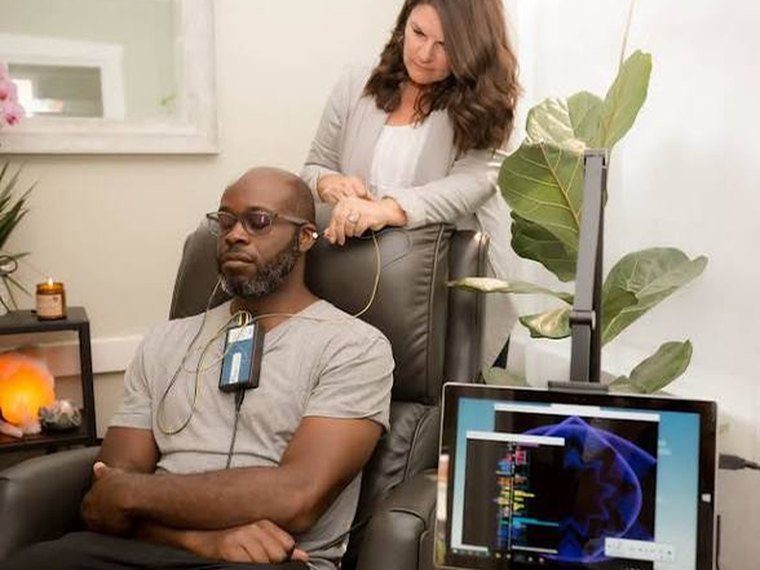
One of the things people with trauma histories often value most about NeurOptimal® is what it does not ask. There is no need to tell your story, revisit memories, or follow instructions. You simply sit somewhere comfortable, listen to music, and let the system give your brain gentle, moment-by-moment information about itself.
You stay in control. You can keep your eyes open, have the door open, bring a support person, hold a blanket or a pet, or stop at any time. People who train with us often describe:
Sometimes, as the nervous system shifts, old feelings surface briefly. If that happens, we slow down, check in, and go at your pace. NeurOptimal® is wellness brain training: it does not diagnose, treat or cure PTSD, and it does not replace care from your GP, psychologist or psychiatrist.
PRACTICAL GROUNDING
Our occupational therapy team also offers trauma-informed OT and OT for PTSD.
Understanding NeurOptimal® · Official NeurOptimal® video
Training vs. Treatment · Official NeurOptimal® video
QUESTIONS
No. NeurOptimal® sessions involve no talking about trauma. On the discovery call, you share only what you are comfortable sharing.
No. NeurOptimal® is wellness brain training and does not diagnose, treat or cure PTSD. Trauma-focused psychological therapy is the recommended treatment; we are happy to work alongside your treating team.
It can happen occasionally as the nervous system shifts. We slow down, check in, and adjust the pace. You can stop at any time.
Yes. Many people value the privacy of home. We deliver systems Australia-wide with a remote orientation and ongoing support.
NeurOptimal® is used by people from all walks of life, including first responders and veterans. Please keep your treating team informed.
KEEP READINGNeurofeedback for anxiety · Neurofeedback for sleep · Emotional regulation
Mental Health OT Australia
If you would like to talk it through, we are here. A short, no-pressure discovery call is a lovely first step — or call us, or send us a message. We will listen, answer your questions honestly, and help you decide what, if anything, comes next.
Led by Bita Farahani, senior occupational therapist · Wembley, Perth · Online and home rental Australia-wide
Prefer to write? Send us an enquiry and we will be in touch soon.
NeurOptimal® neurofeedback is a general wellness brain-training system. It does not diagnose, treat, prevent or cure any medical or psychological condition, and individual experiences vary. It is not a substitute for advice or care from your GP or another qualified health professional. If you need urgent support, call Lifeline on 13 11 14 or 000 in an emergency. NeurOptimal® and Dynamical Neurofeedback® are registered trademarks of Zengar Institute Inc. Mental Health OT Australia does not promise NDIS or other funding for neurofeedback or device rental.