




If you or a loved one is struggling with sensory processing disorder, seeking help from an occupational therapist is the first step toward relief. A thorough assessment is necessary to determine the specific sensory needs of the individual. The therapist will then create a personalised plan based on the individual’s symptoms and goals.
At Mental Health OT Australia, we offer comprehensive assessments and therapy for individuals experiencing sensory processing challenges. Our approach to occupational therapy is centred on providing tailored strategies that improve sensory regulation, allowing individuals to lead more comfortable and fulfilling lives. If you are looking for a professional occupational therapist for sensory processing disorder, Bita Farahani and our team are here to guide you.
Main Article Content
The Impact of Sensory Processing Disorder on Daily Life
Living with sensory processing disorder can create daily challenges, making it hard for individuals to participate in routine activities. Children may struggle with tasks such as reading or playing with others, while adults may find it difficult to focus at work or manage relationships. SPD can also cause emotional and behavioural difficulties, as individuals may feel overwhelmed by everyday sensory experiences.
Through targeted therapy, occupational therapists help clients develop adaptive responses to these sensory challenges. This enables individuals to engage more fully in their environment without becoming overwhelmed. A personalised sensory integration plan allows them to better navigate daily life by using tools and strategies to cope with their sensitivities.
Sensory Integration Therapy Techniques Used in Occupational Therapy
Sensory integration therapy (SIT) is a specific type of therapy used in occupational therapy for sensory processing disorder. It focuses on helping the brain process and organize sensory information. Therapists use a variety of tools to engage the individual’s senses and improve their sensory responses.
Some of the common techniques include:
Swinging or rocking activities to stimulate the vestibular system (balance).
Deep pressure techniques, such as joint compressions or weighted blankets, to provide proprioceptive input.
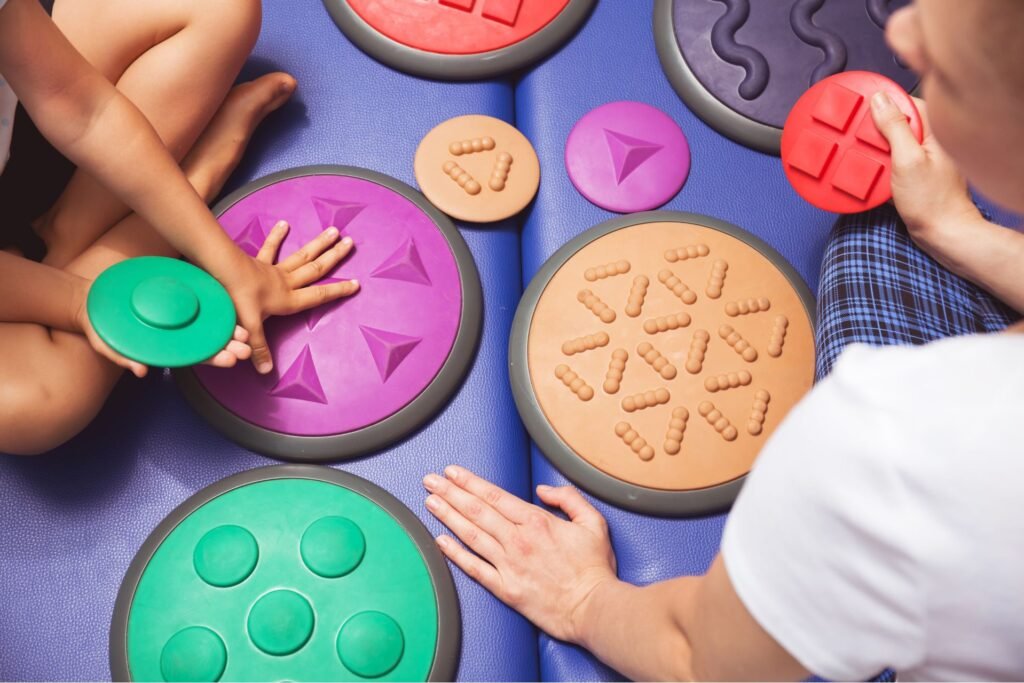
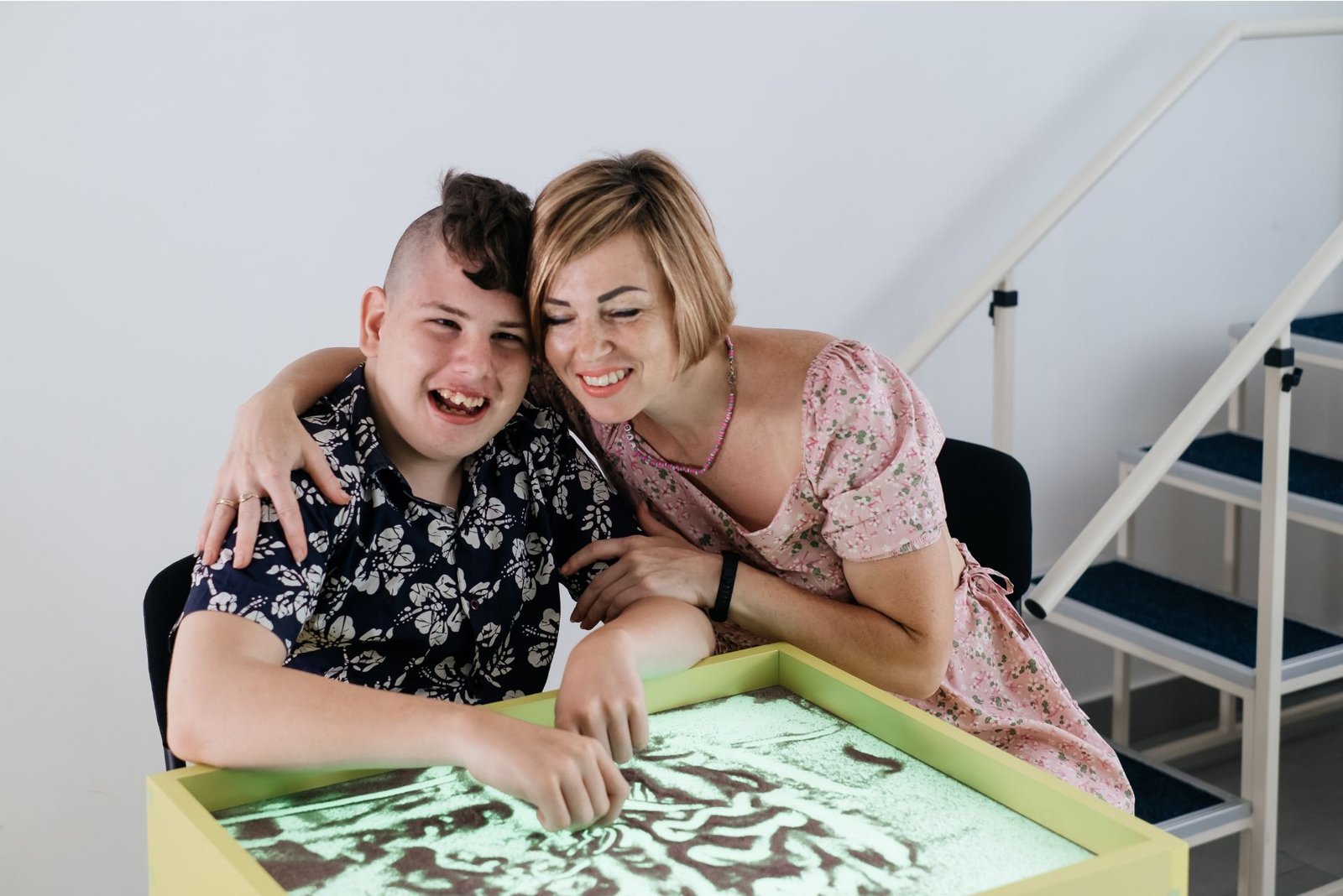
Tactile activities, such as playing with various textures (sand, clay, or fabric) to help with touch sensitivity.
Auditory stimulation, including music or rhythmic sounds to help manage sound sensitivities.
Benefits of Occupational Therapy for Sensory Processing Disorder
The benefits of occupational therapy for sensory processing disorder are wide-ranging and can significantly improve the quality of life. Through therapy, individuals learn how to:
Process sensory information more effectively.
Reduce anxiety and frustration associated with sensory overload.
Improve self-regulation skills.
Engage more confidently in everyday tasks.
Increase social participation and communication skills.
These benefits can help children and adults overcome the barriers caused by SPD, leading to better emotional regulation and overall well-being.
How to Choose the Right Occupational Therapist for SPD
When looking for an occupational therapist to address sensory processing disorder, it’s important to select someone who has experience in treating sensory issues. Look for a therapist who is knowledgeable about sensory integration therapy and has a track record of helping clients with similar challenges.
Mental Health OT Australia, led by Bita Farahani, offers professional occupational therapy services for sensory processing disorder. Our team specializes in developing customized treatment plans that help clients build sensory regulation skills.
FAQs
1. How long does occupational therapy for sensory processing disorder take?
The duration of therapy depends on the severity of the SPD and the individual’s progress. Some individuals may benefit from a few sessions, while others might need ongoing support over several months.
2. Can sensory processing disorder be treated at home?
While some strategies can be practiced at home, professional occupational therapy provides personalized guidance that ensures the individual’s needs are addressed comprehensively. A therapist can help create a sensory diet and give practical techniques for managing symptoms.
3. Is sensory processing disorder common?
Yes, sensory processing disorder is fairly common, especially in children. Many individuals, especially those with autism spectrum disorder or ADHD, may experience sensory issues. However, SPD can affect people of all ages.
For more information or to book a consultation, contact Mental Health OT Australia at 📞 0406107775 or 📧 info@mentalhealthotaustralia.com.au. Let us help you or your loved one manage sensory processing challenges with expert guidance from Bita Farahani and our dedicated team.