NEUROPTIMAL® NEUROFEEDBACK · STROKE & PARKINSON’S
Life after a stroke, or with Parkinson’s, brings big changes for the whole family. NeurOptimal® Neurofeedback is a calm, non-invasive brain-training session that can sit gently alongside your medical team, rehabilitation and occupational therapy.
Led by Bita Farahani, senior occupational therapist · Sessions 33–45 minutes
ALONGSIDE YOUR CARE
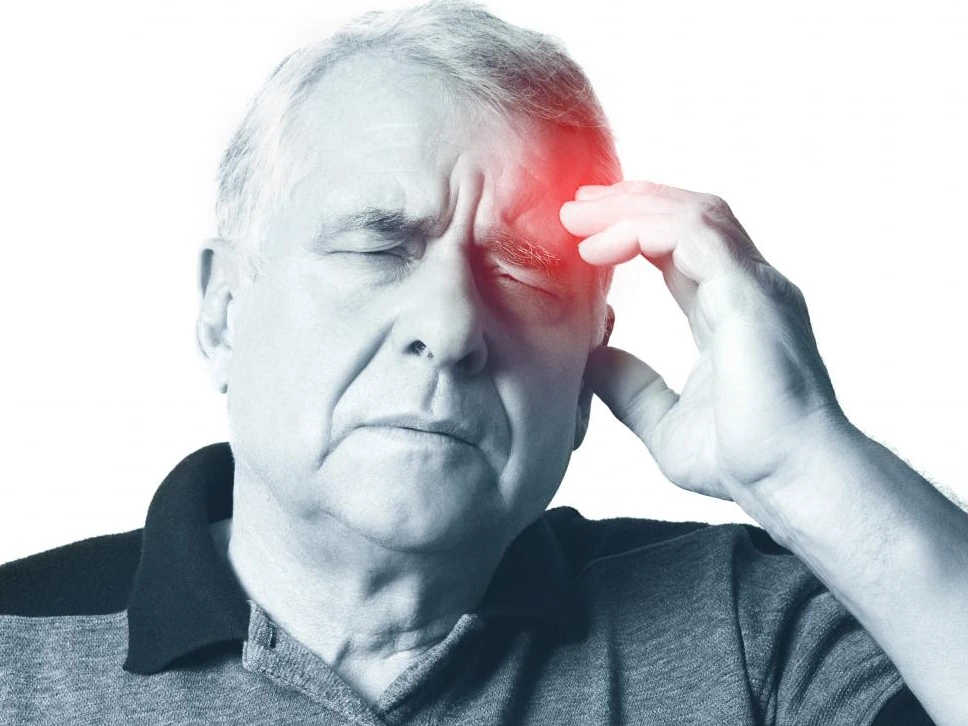
A stroke happens when blood supply to part of the brain is interrupted. Depending on the area affected, it can change movement, speech, thinking, emotions and energy (healthdirect; Stroke Foundation). Parkinson’s is a progressive condition of the nervous system that affects movement and can also bring tiredness, sleep problems, low mood and anxiety (healthdirect; Parkinson’s Australia).
They are very different conditions. What people often share is the everyday load: fatigue, broken sleep, worry, frustration and the effort of adjusting to a body and brain that work differently.
We see people at all stages, and their partners and carers, always as part of the wider care team.
UNDERSTANDING STROKE AND PARKINSON’S
The Stroke Foundation explains that a stroke happens when blood stops reaching part of the brain — either because an artery is blocked by a clot, or because a blood vessel bursts (Stroke Foundation).
Risk rises with age, and more than 80% of strokes can be prevented. Causes within our control include high blood pressure, smoking, high cholesterol, diabetes and heavy drinking.
Parkinson’s Australia describes Parkinson’s as a progressive condition of the nervous system. Cells that make dopamine — a messenger that helps control movement and mood — gradually die off in a part of the brain called the substantia nigra (Parkinson’s Australia).
The exact cause is not known. Ageing, genetic changes and exposure to toxins may all play a part (healthdirect).
After a stroke, the brain begins to reorganise. Healthy areas can take on new jobs — neuroplasticity — which is why rehabilitation can keep helping for months and years. That work is tiring, and stress and poor sleep make it harder.
In Parkinson’s, medication and exercise are central to care. Many people notice that symptoms feel harder on stressful or sleepless days.
After a stroke, effects depend on which part of the brain was affected. They can include weakness on one side, difficulty speaking or understanding, problems with thinking and memory, and changes in emotions and behaviour (Stroke Foundation, effects).
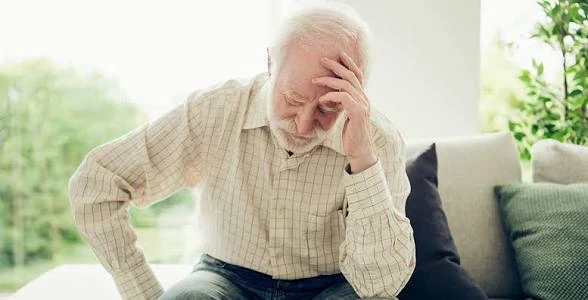

Fatigue, headaches and low energy are common after a stroke and with Parkinson’s.
Parkinson’s brings movement symptoms such as slowness, tremor and stiffness, and non-movement symptoms such as poor sleep, fatigue, mood changes, and changes in thinking and memory (Parkinson’s Australia).


Fatigue, broken sleep and a busy mind can make living with Parkinson’s feel heavy.
WHAT THE RESEARCH SAYS
Stroke. A systematic review of eight studies of neurofeedback as cognitive rehabilitation after stroke found that most reported improvements in thinking skills such as memory and attention, but study quality was limited and protocols varied (Renton et al., 2017). In one randomised trial of 44 people having stroke rehabilitation, everyday activities improved in all groups, with no significant difference between the neurofeedback group and the group who had standard rehabilitation only (Cho et al., 2016).
Parkinson’s. A 2021 systematic review of neurofeedback for movement symptoms in Parkinson’s concluded that the field is still in its infancy: no single type of neurofeedback could be recommended, and high-quality randomised trials are needed (Anil et al., 2021). A newer systematic review and meta-analysis (2025) of 11 studies and 143 people with Parkinson’s found that EEG neurofeedback does change brain activity in the intended way, but its effect on movement symptoms was unclear and the evidence was low certainty; the authors call for larger, higher-quality trials (von Altdorf et al., 2025).
HOW NEUROPTIMAL® NEUROFEEDBACK MAY HELP
NeurOptimal® Neurofeedback is gentle and non-invasive. Small sensors simply listen to your brain’s electrical activity while you rest and listen to music. When the system notices a sudden shift, the music pauses for a split second. Your brain notices that tiny pause and reorganises in its own way. Nothing is sent into the body, and there is nothing to learn or get wrong.
Neurofeedback does not treat stroke or Parkinson’s, and it makes no claims about movement, tremor or speech. It is a calm addition to your medical and rehabilitation care:
A session asks nothing of you. Many people find it restful, even on low-energy days.
People often describe sleep that feels more settled.
Many describe feeling calmer and more at ease, and that can help with everything else.
Recovery and change can be exhausting. A quiet, pleasant routine can bring a little more patience to the week.

Calm, familiar routines — and people beside you — can make a difference.
NeurOptimal’s own wellness statements describe Parkinson’s and brain injury in terms of stress management and sleep management as part of a healthy lifestyle — never as a treatment for any condition (NeurOptimal®, wellness statements).
For Parkinson’s, NeurOptimal’s research library does not include a study. Here is what we can honestly point you to:
For stroke, the library includes:
Browse the full library on NeurOptimal’s research page. To talk it through, contact us or call 0406 107 775. Health professionals can use our referral page.
WHAT TO EXPECT
We plan sessions around medication times, energy and mobility, and keep your GP, neurologist or rehabilitation team informed if you would like us to.
We work with children, teens and adults from 4½ years of age. Questions? Contact us or call 0406 107 775. New to neurofeedback? Start with Neurofeedback, gently explained.
QUESTIONS
NeurOptimal® Neurofeedback does not target movement and cannot promise recovery. Physiotherapy, occupational therapy and your medical team lead rehabilitation; some people like to add calm brain training alongside.
NeurOptimal® Neurofeedback only listens to the brain’s activity; nothing is sent into the body. Please tell us about your medication and keep your neurologist informed. Never change medication because of brain training.
Sessions can be paused at any time. You can recline, have a carer nearby, and we can keep the first sessions shorter if you need.
We never promise funding. Please check with your plan manager, support coordinator or aged care provider about what your plan covers — they can reach us through our referral page.
Yes. Home systems are delivered by Express Post anywhere in Australia, and a family member or carer can be shown how to run sessions.
Mental Health OT Australia
If you would like to talk it through, we are here. A short, no-pressure discovery call is a lovely first step — or call us, or send us a message. We will listen, answer your questions honestly, and help you decide what, if anything, comes next.
Led by Bita Farahani, senior occupational therapist · Wembley, Perth · Online and home rental Australia-wide
Prefer to write? Send us an enquiry and we will be in touch soon.
NeurOptimal® Neurofeedback is a general wellness brain-training system. It does not diagnose, treat, prevent or cure any medical or psychological condition, and individual experiences vary. It is not a substitute for advice or care from your GP or another qualified health professional. It is not a replacement for medical care and should complement — never replace — the care of your medical team. If you need urgent support, call Lifeline on 13 11 14 or 000 in an emergency. NeurOptimal® and Dynamical Neurofeedback® are registered trademarks of Zengar Institute Inc. Mental Health OT Australia does not promise NDIS or other funding for neurofeedback or device rental.